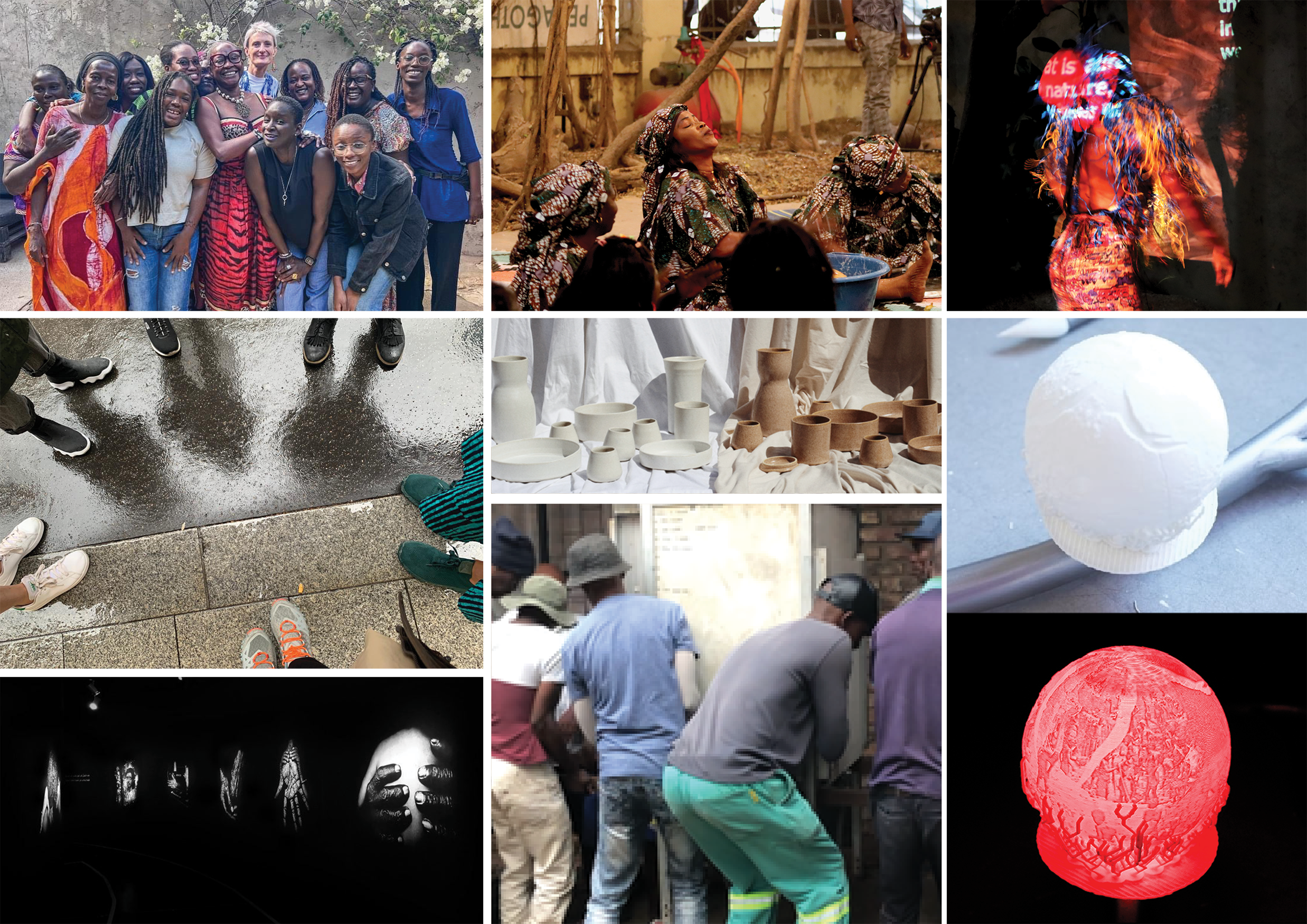
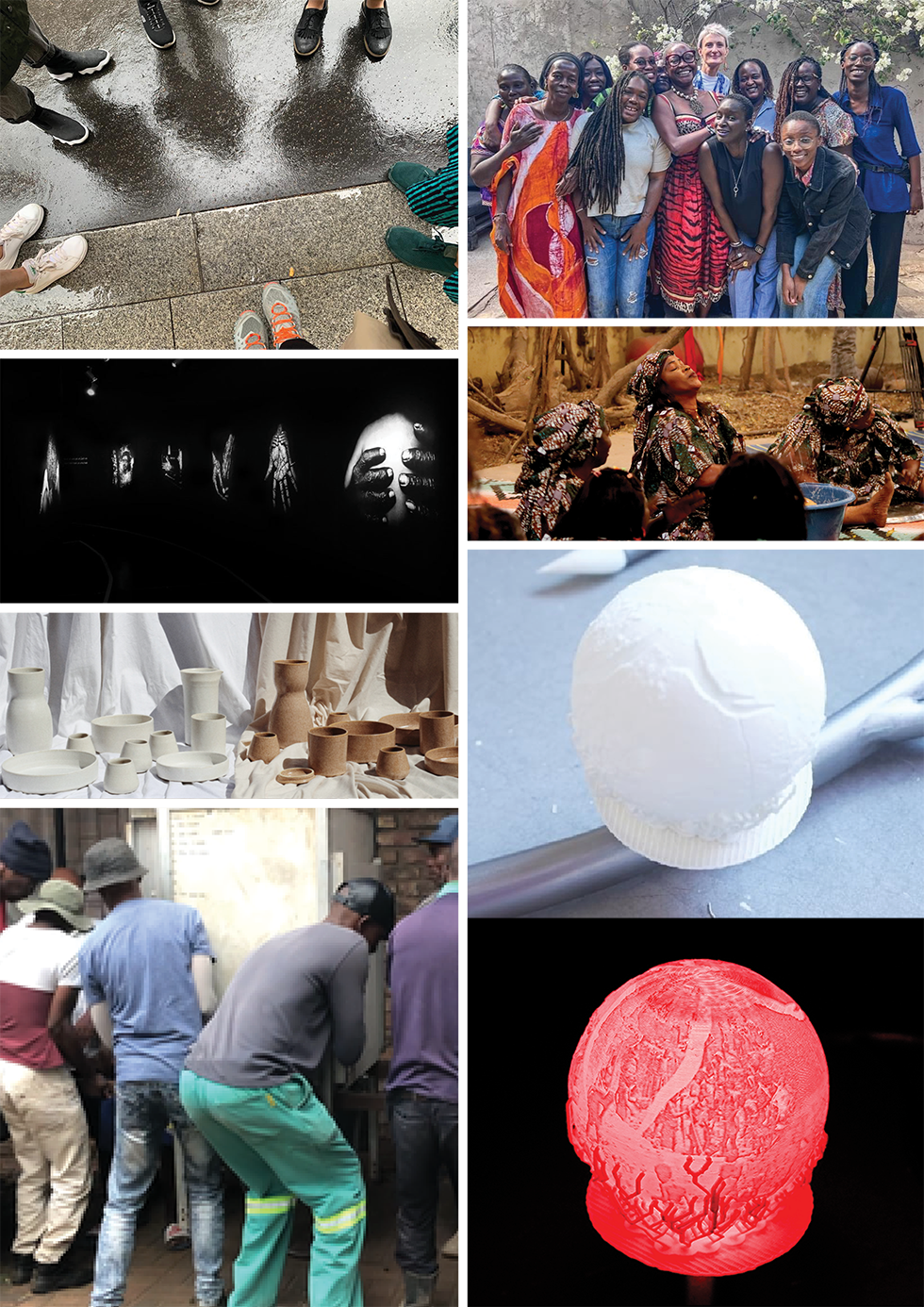
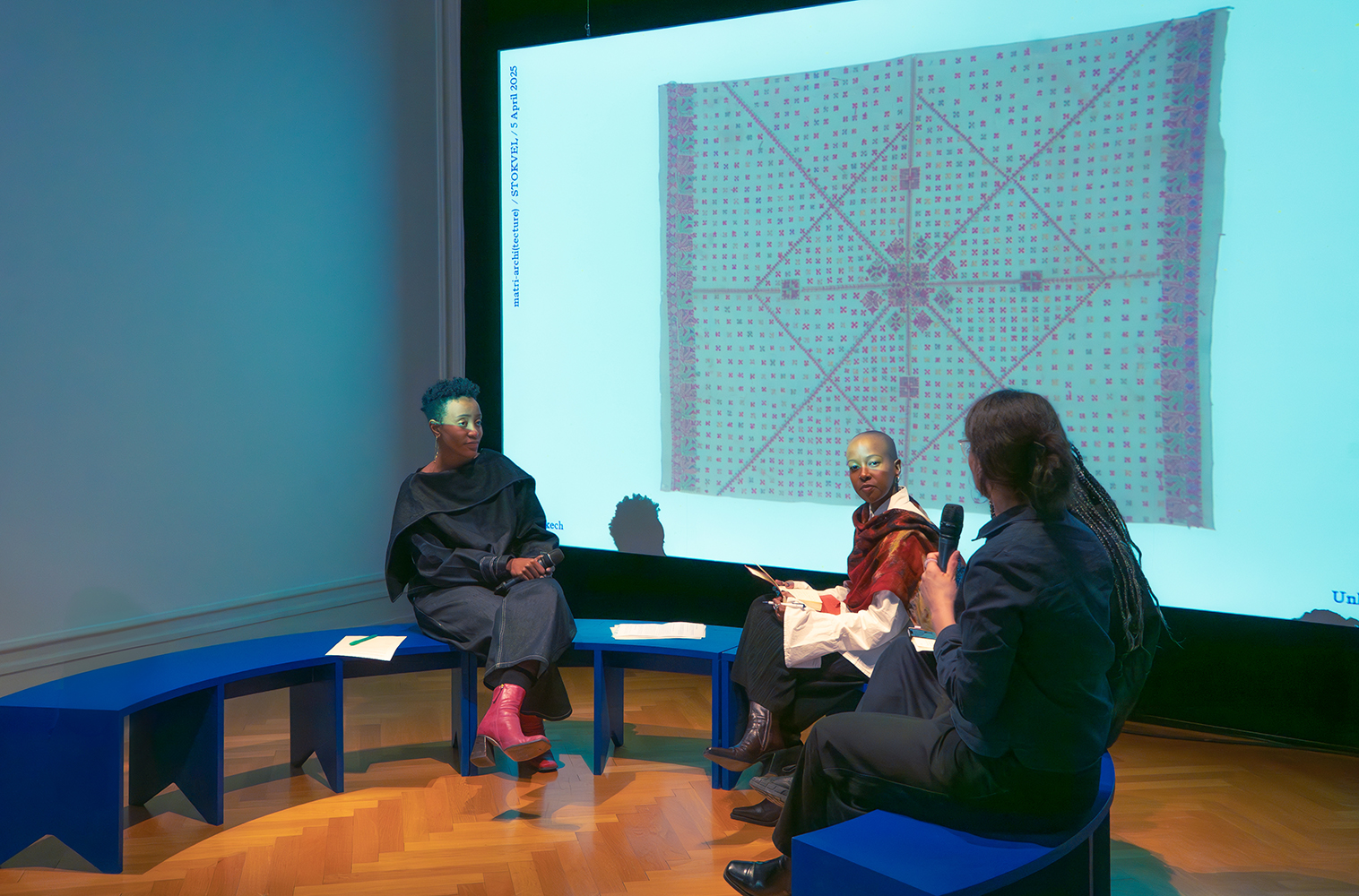
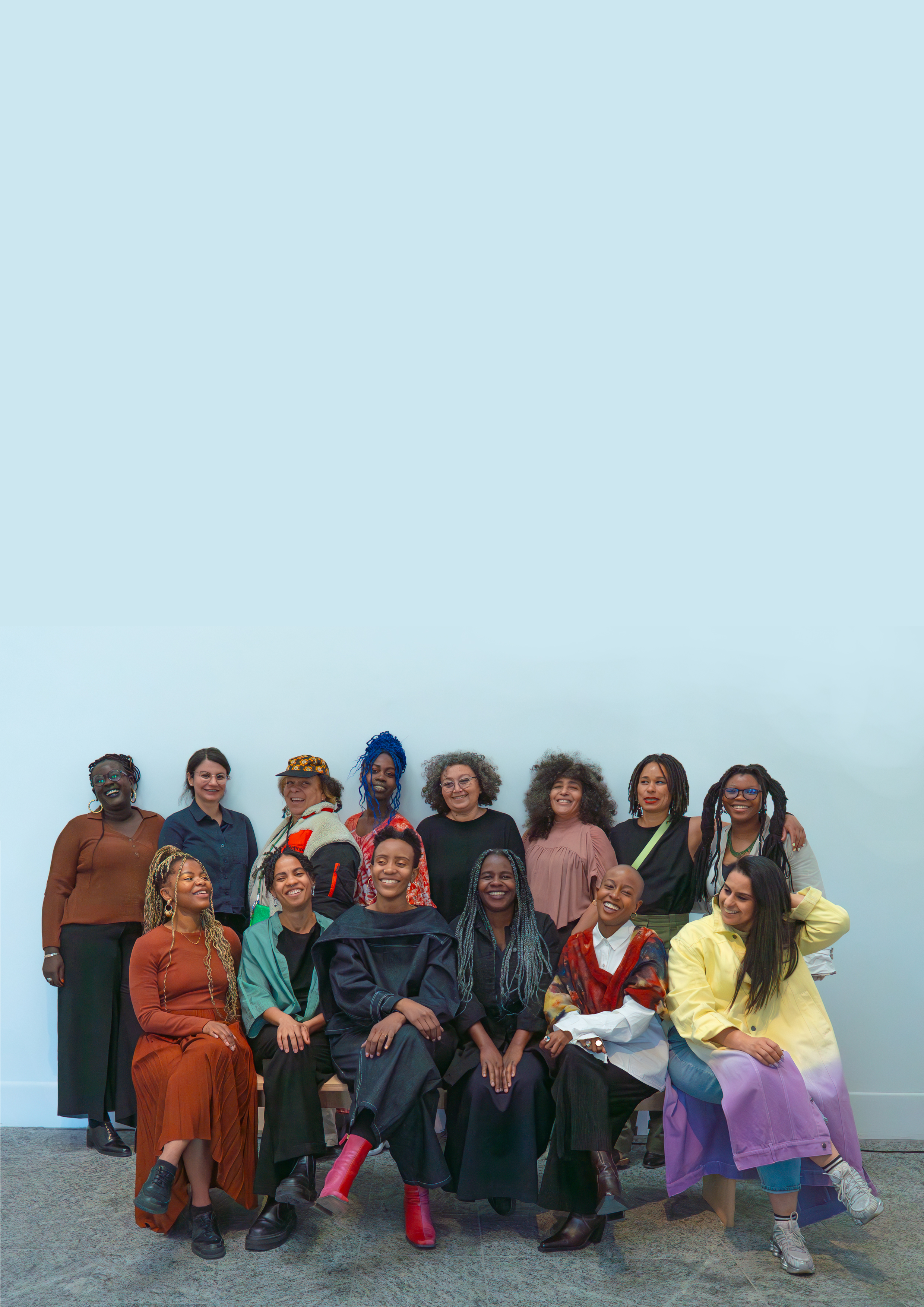
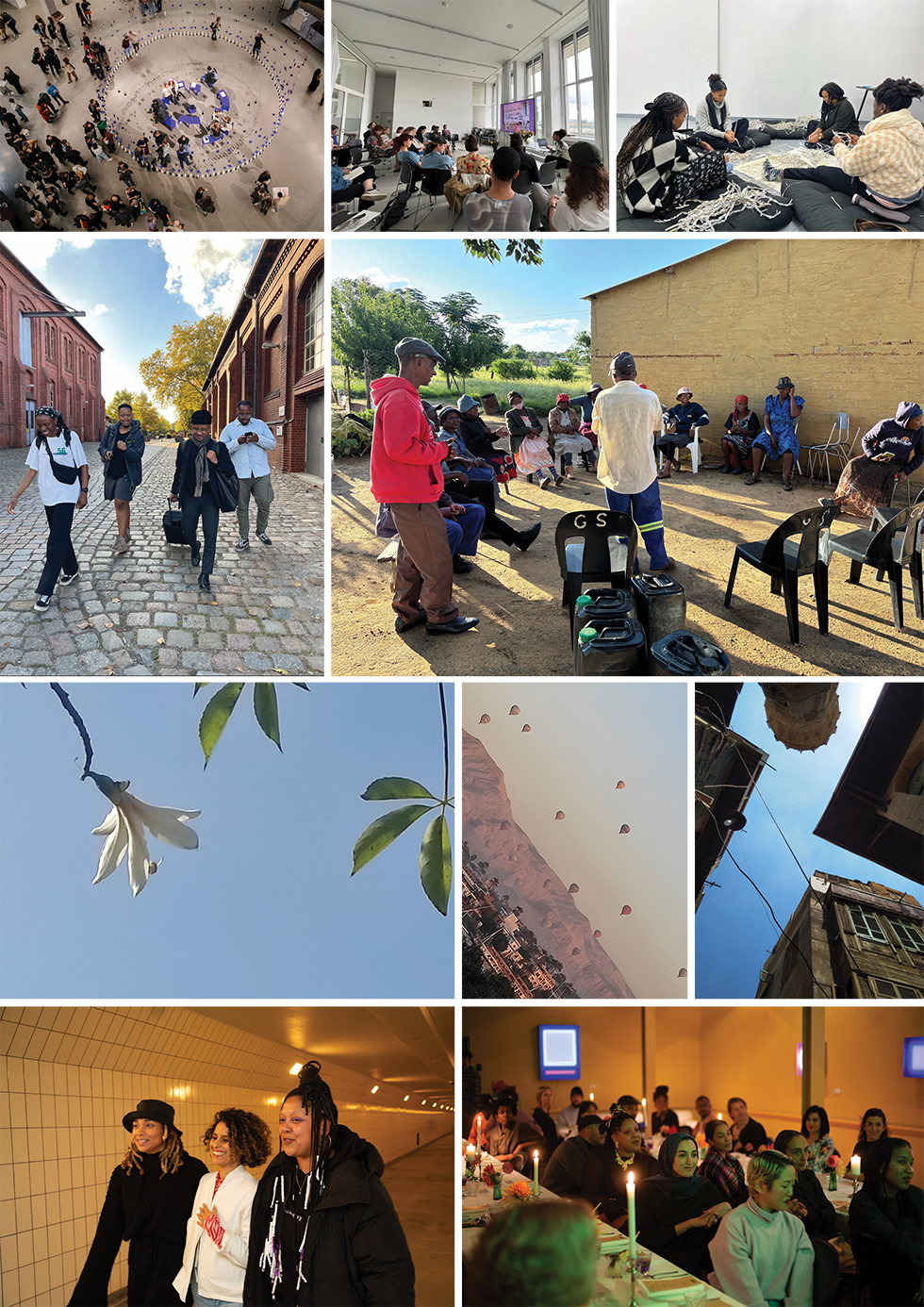
STOKVEL is a podcast by Matri-Archi(tecture) that brings together the voices of African and African diasporic women in architecture, art and curation; to pool our knowledge into a collective basket. This basket, space or gathering draws inspiration from the South African stokvel model. In celebrating knowledge exchange, criticality and tenderness; our conversations depart from practices of care ultimately aiming to redefine the conditions under which we collaborate. We share and reflect on methodologies from our experiences, to imagine other possible ways of working together in the fields of architecture, art and curation.
To support Matri-Archi(tecture), click here.
STOKVEL season 1 is made possible with the generous support of Pro Helvetia Swiss Art Council and the Südkulturfonds.
Idea, creative direction + host: Khensani Jurczok-de Klerk
Organisation: Sophia Gunkel
Jingle: Under Pressure Sundays – Bonolo Thomas
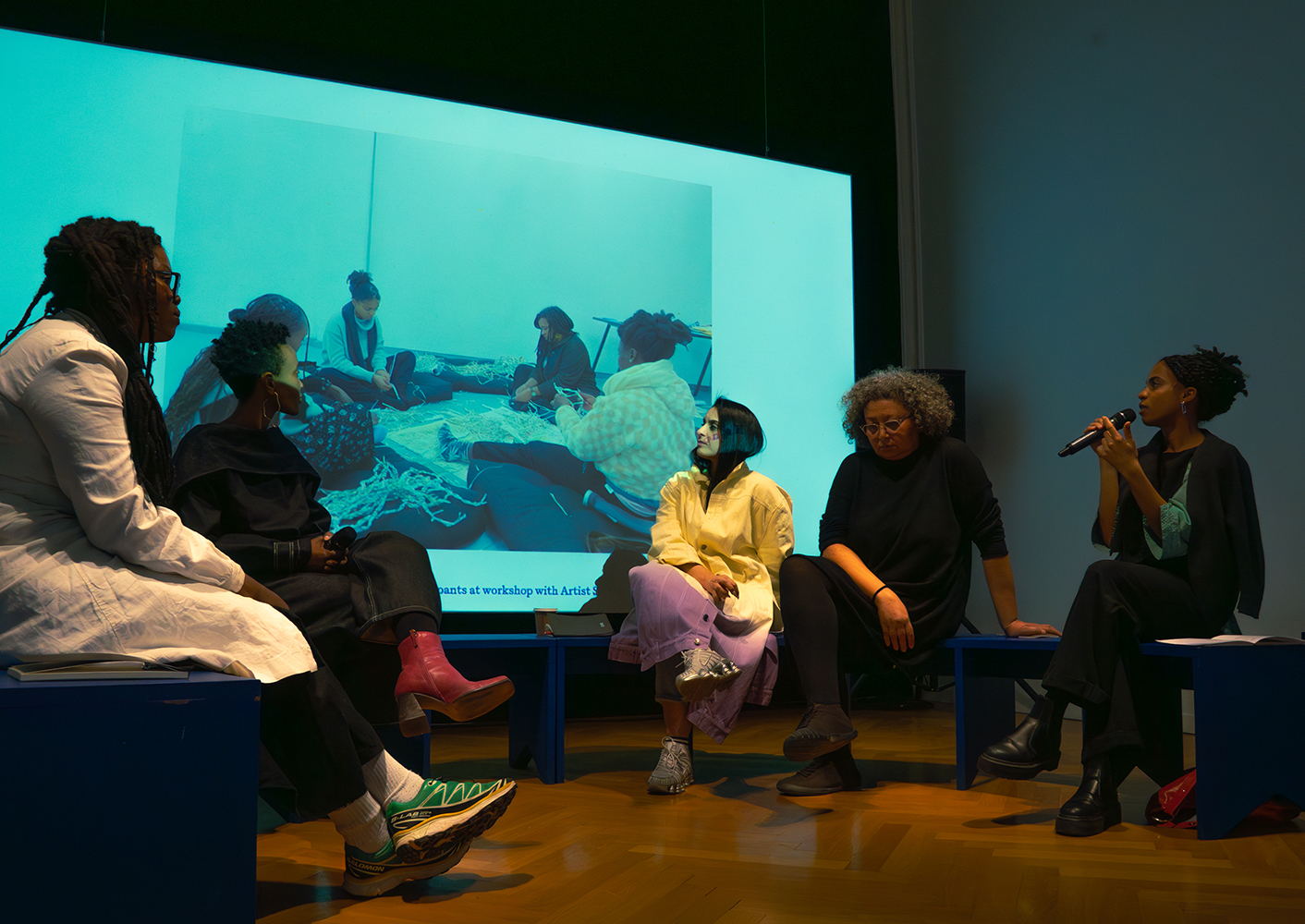
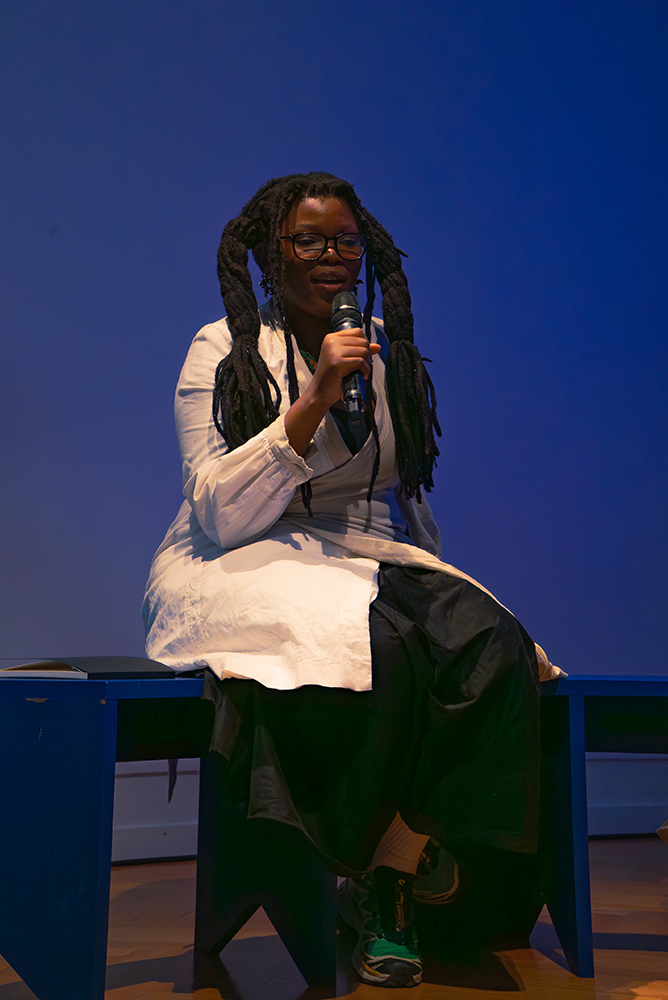
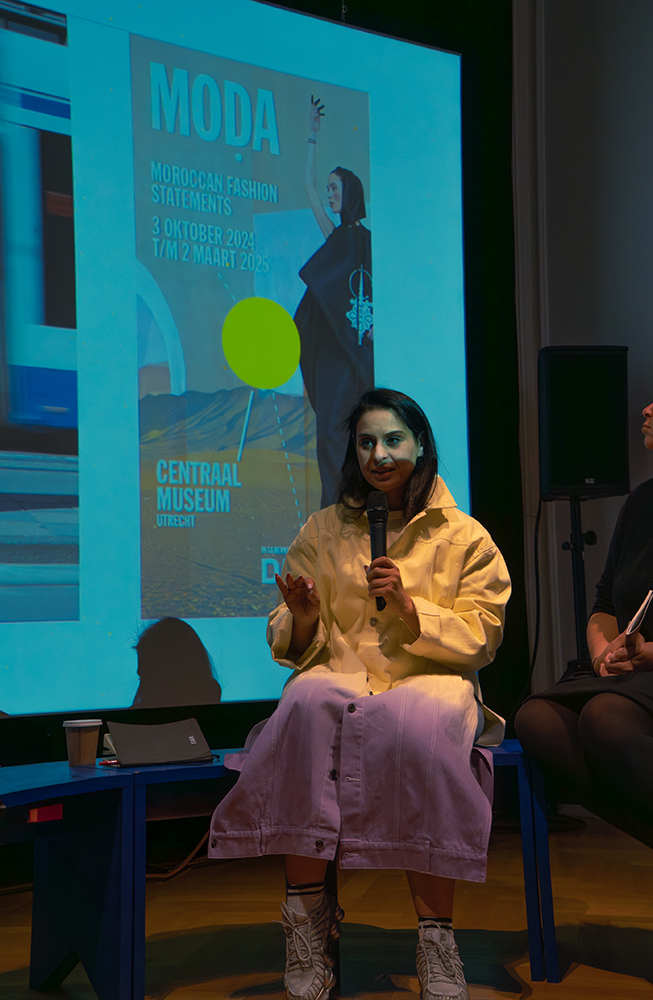
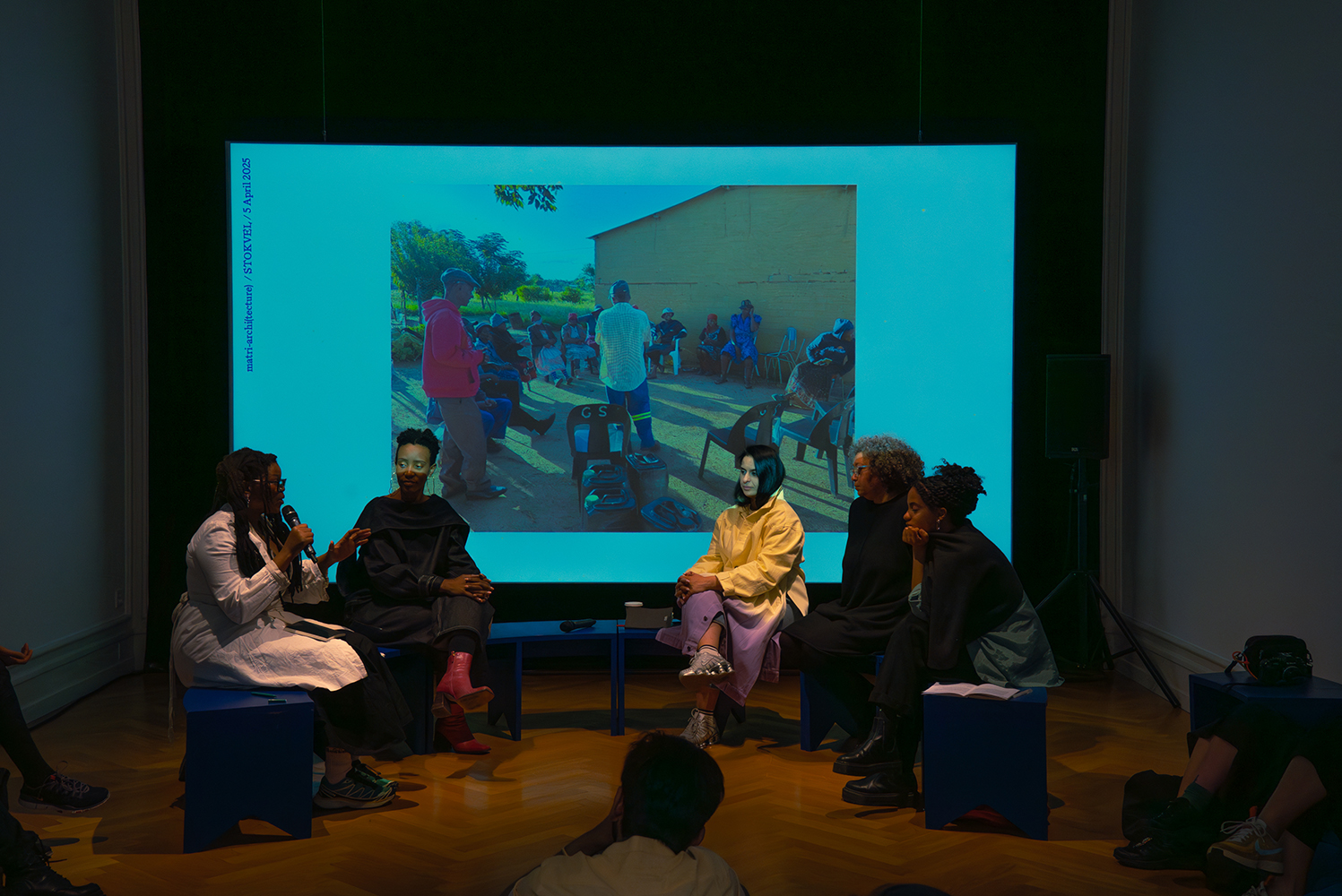
Photos: Ananda Jade
Sound post-production: Neo Twala
Graphic design: Emma Kouassi
Typeface: Ronald by Samara Keller / Wangari WIP by Ann Kern
Website: Iyo Bisseck
Kunsthalle Bern, Switzerland
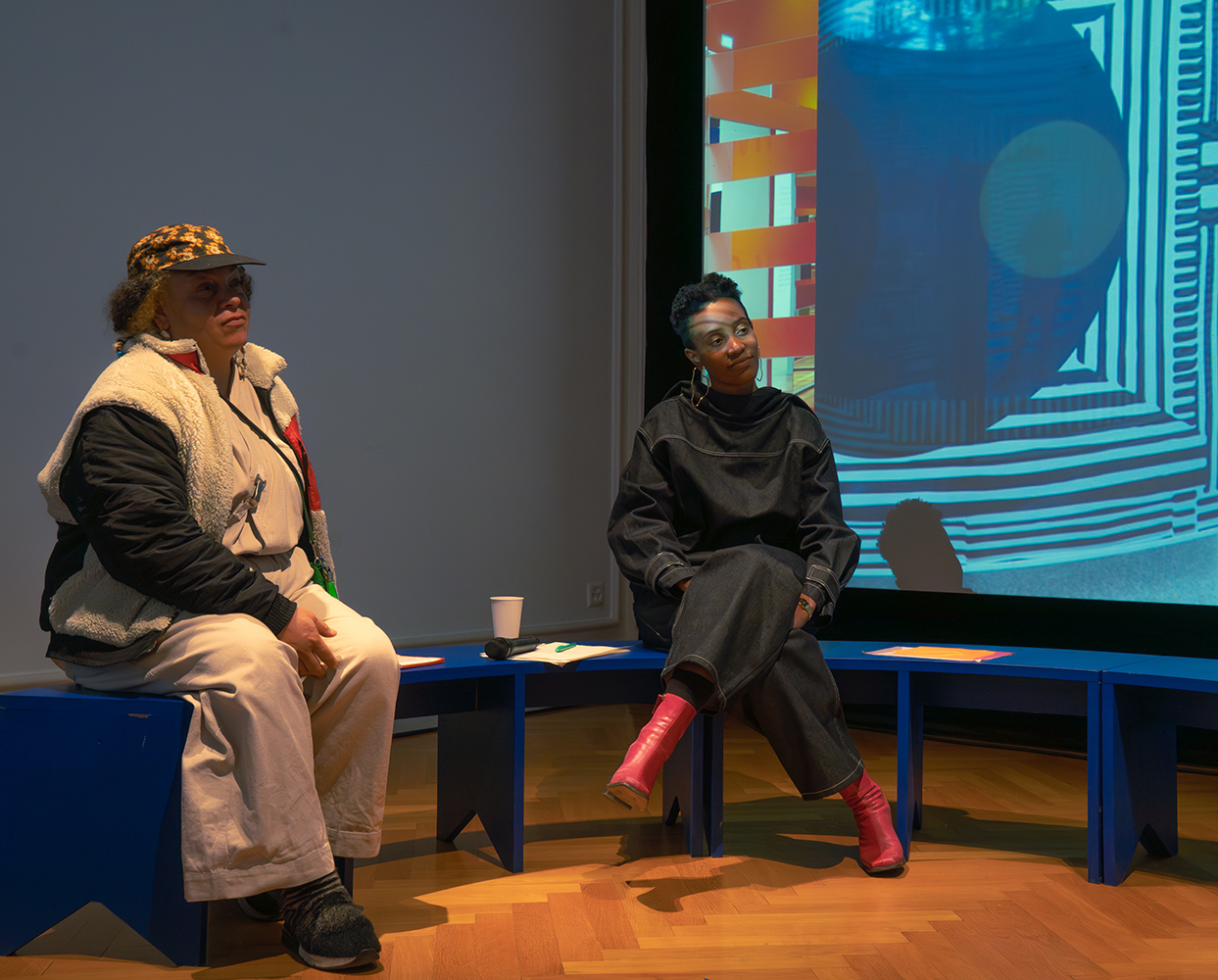
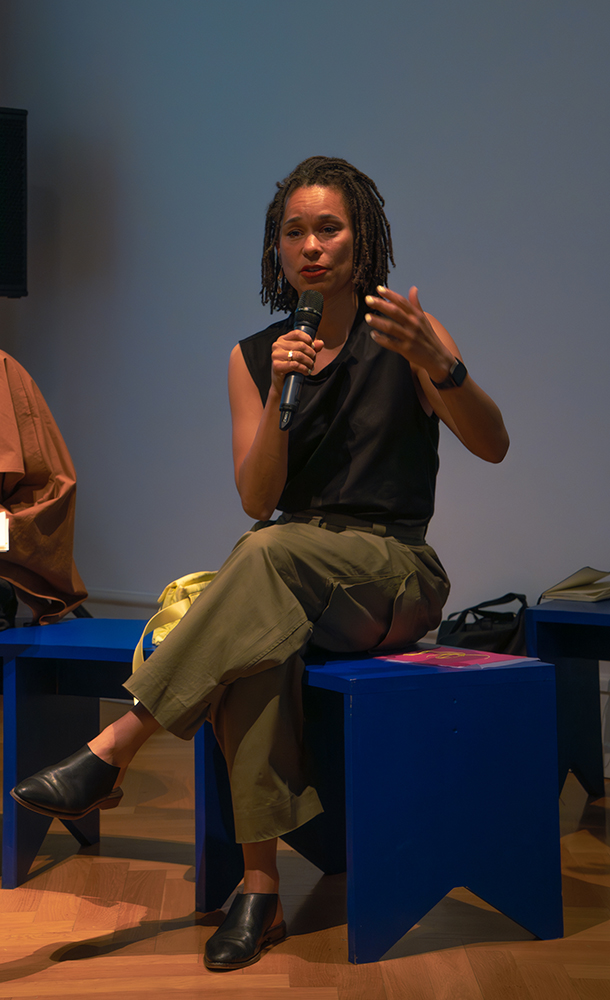
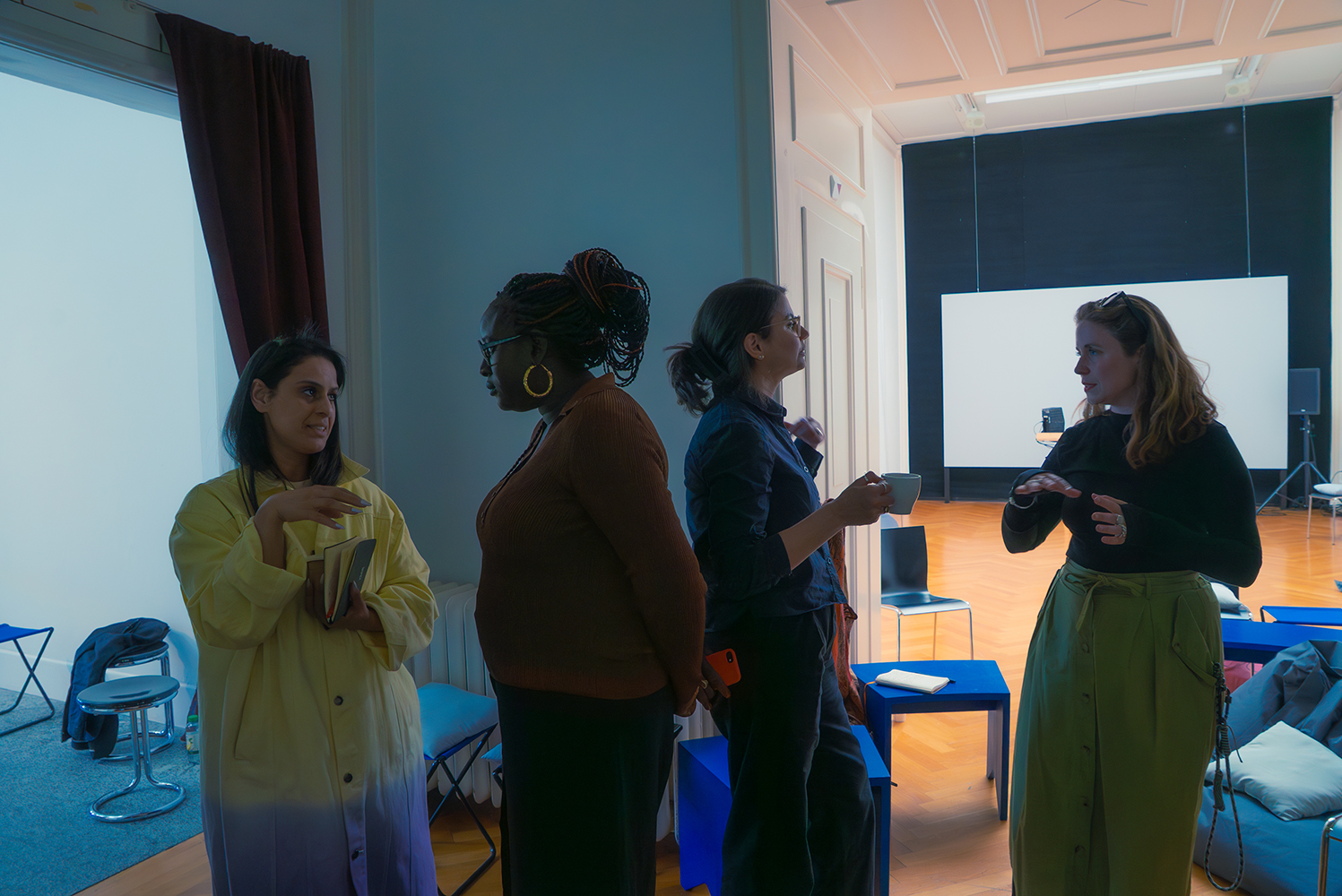
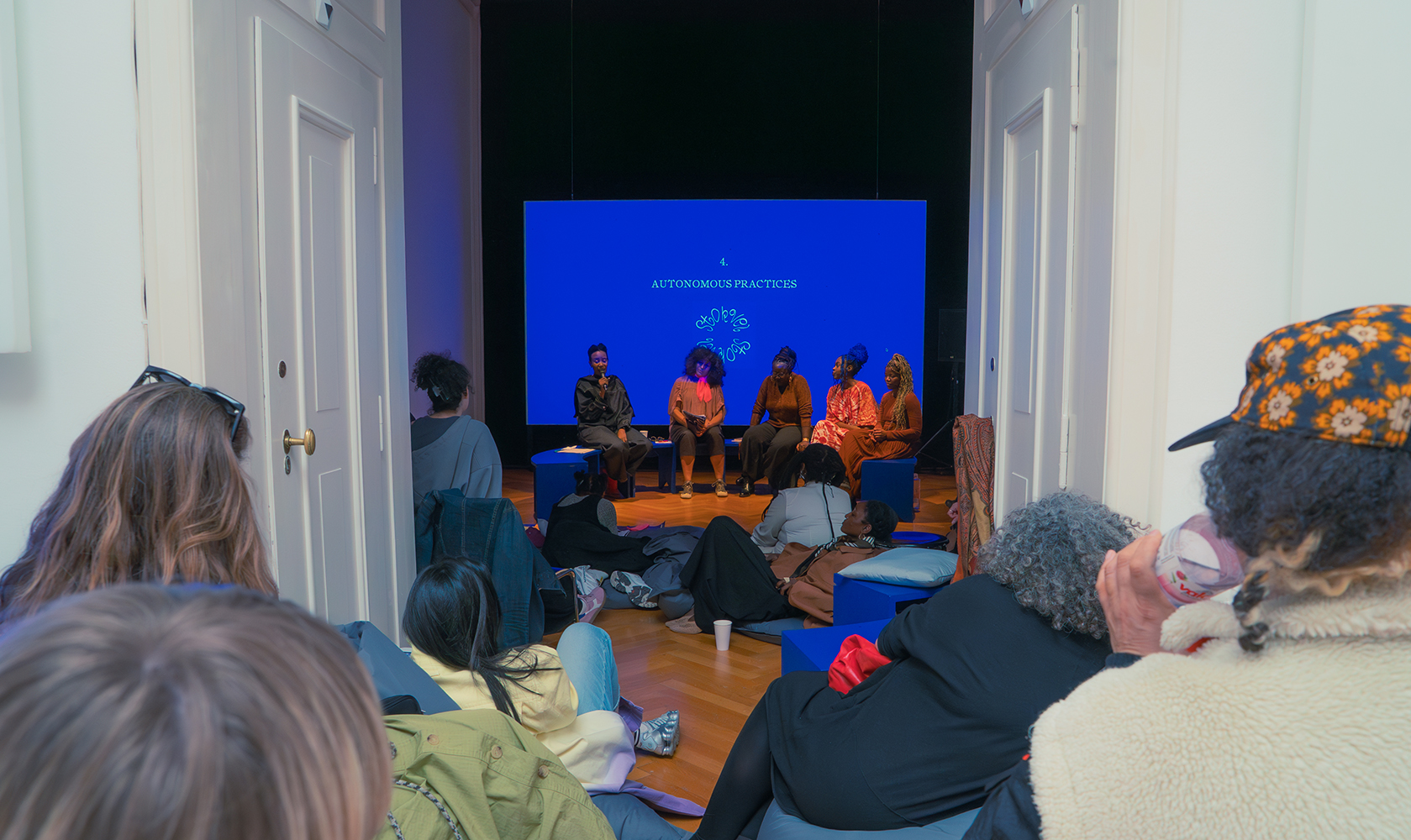
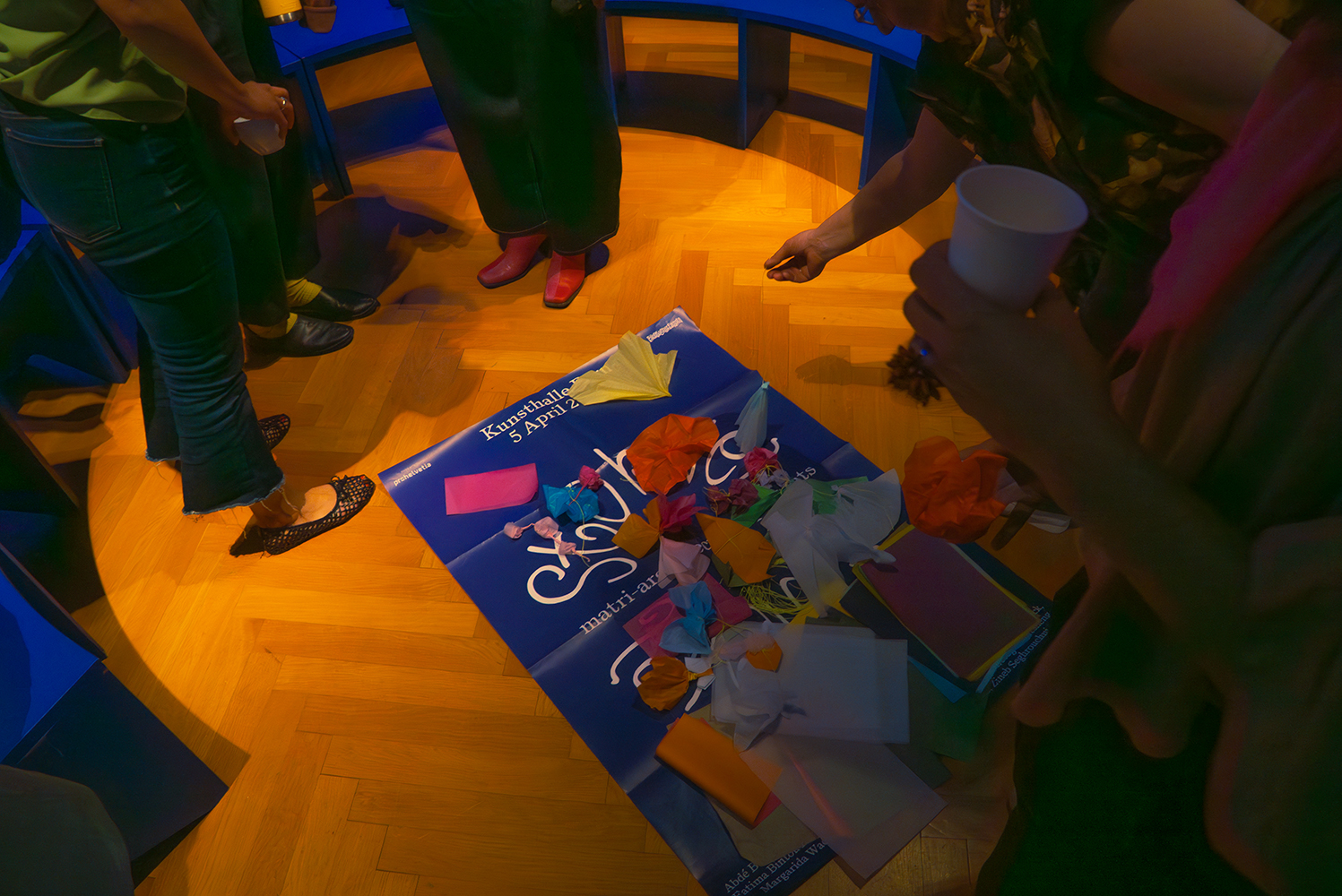
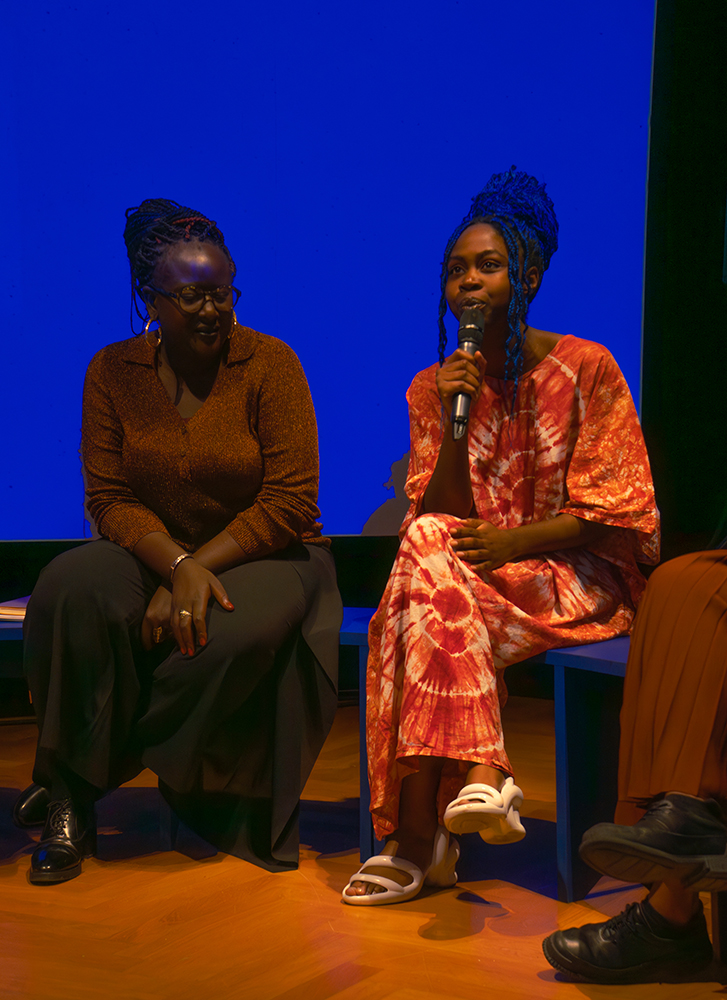
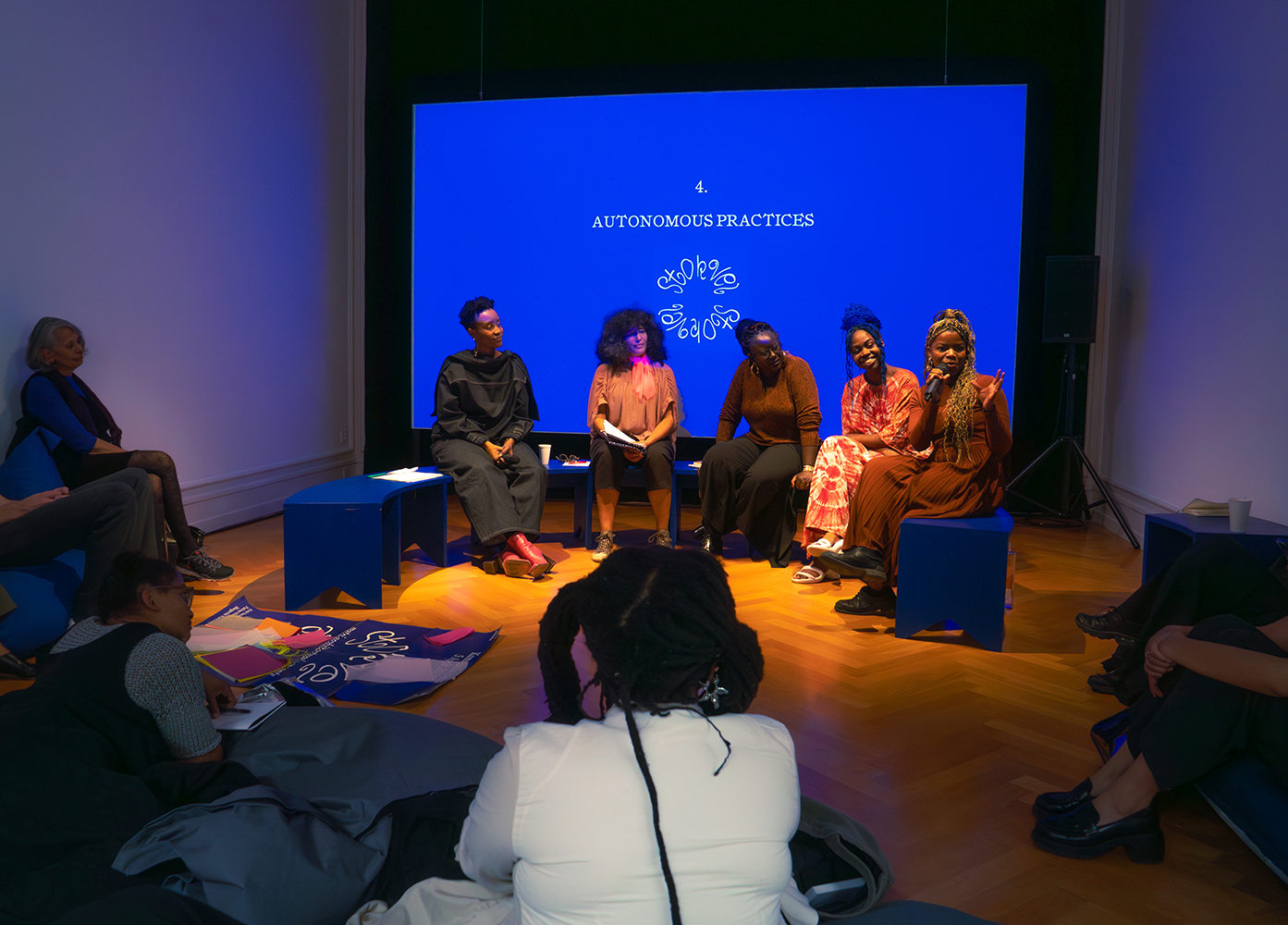
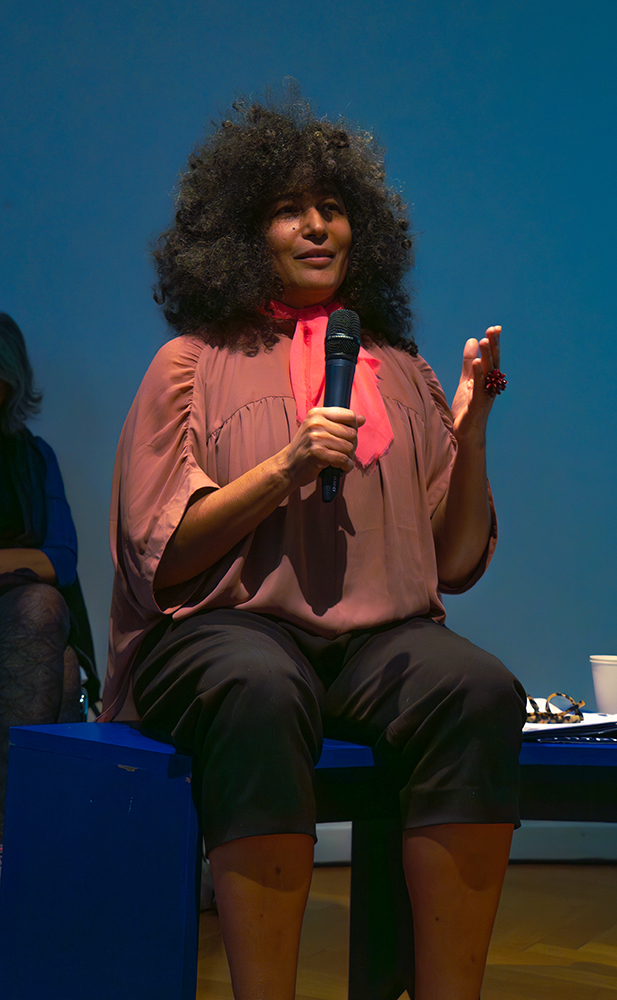
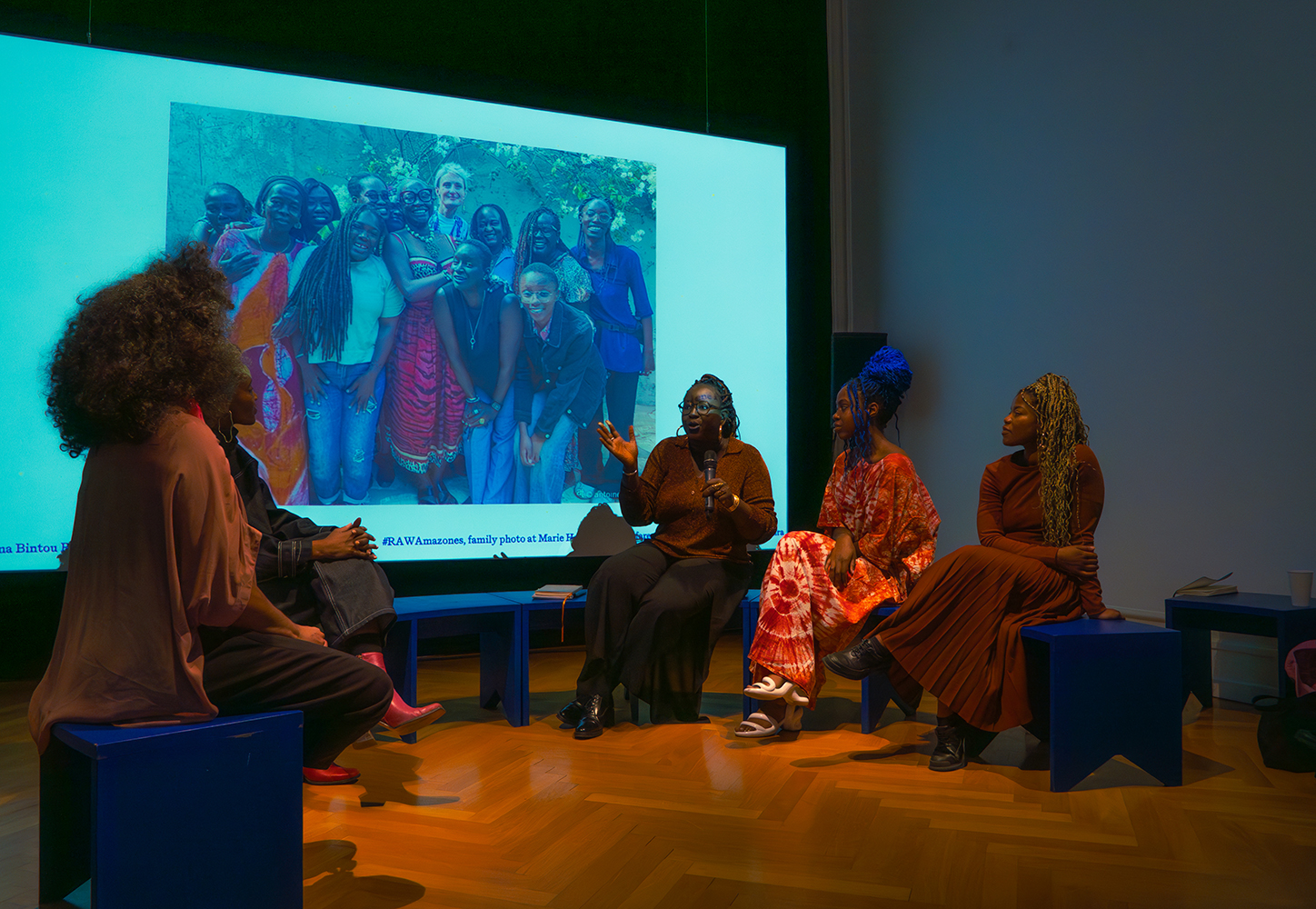
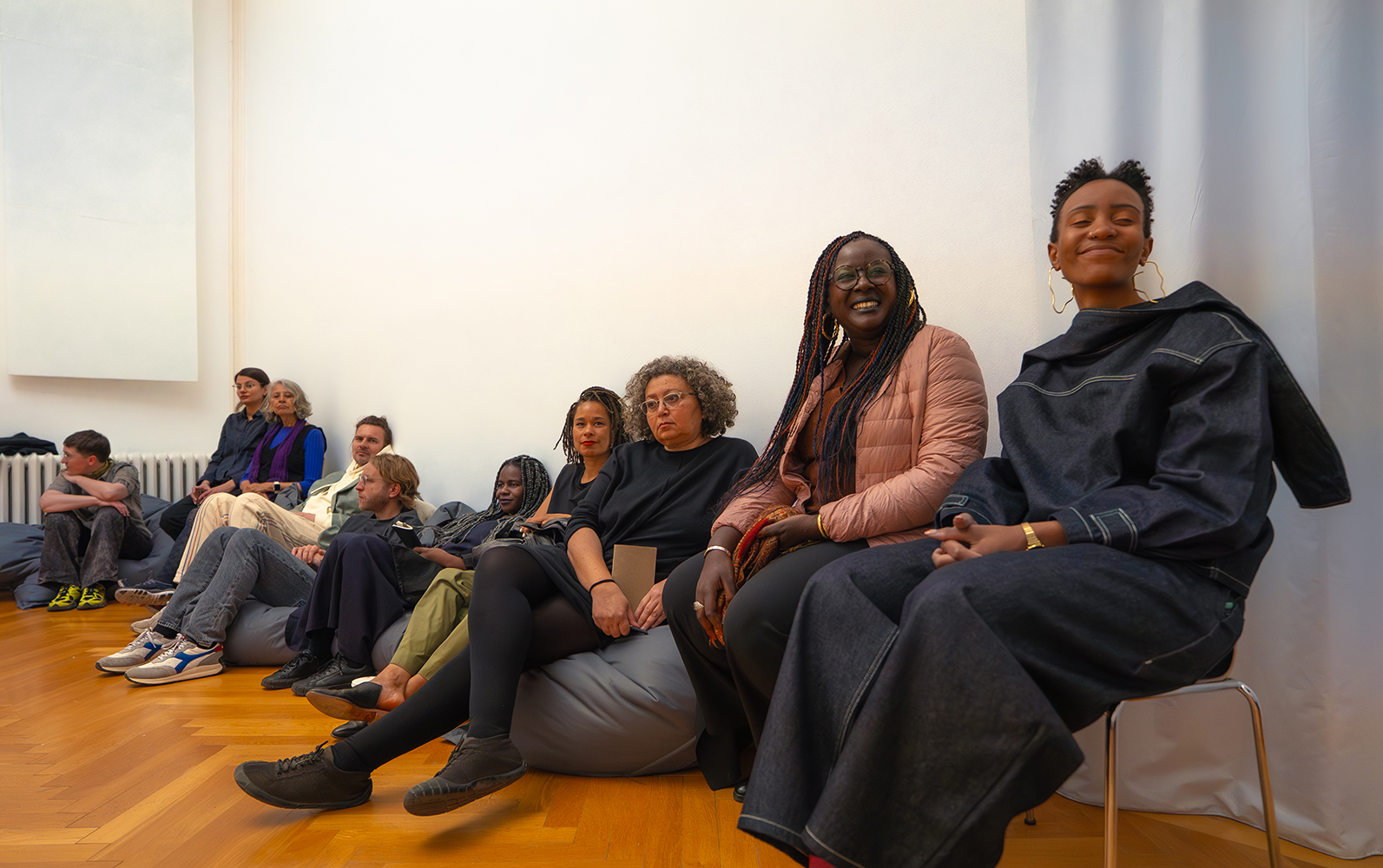
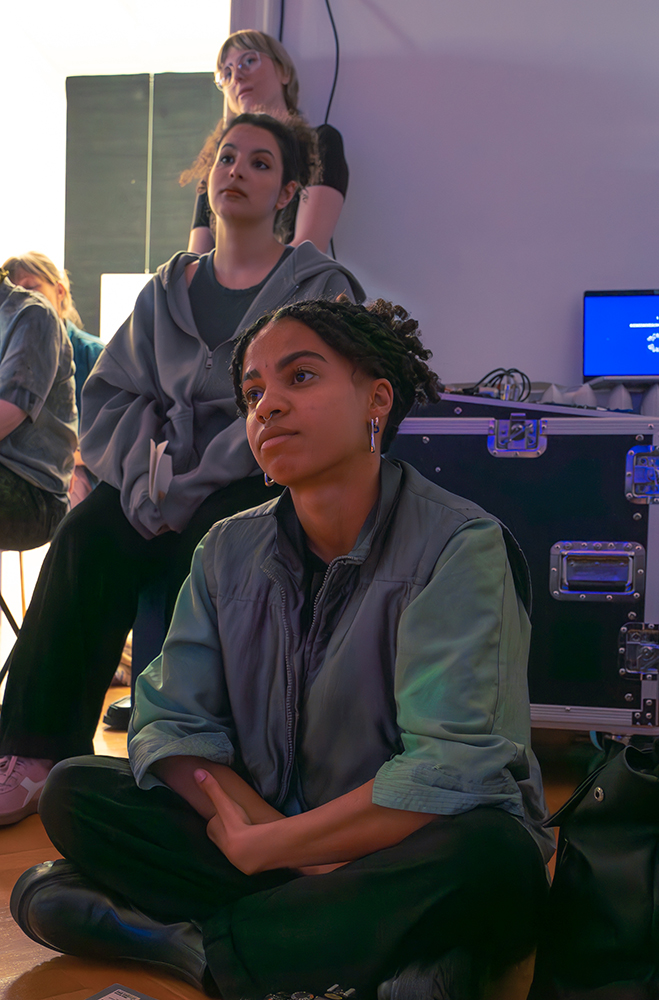
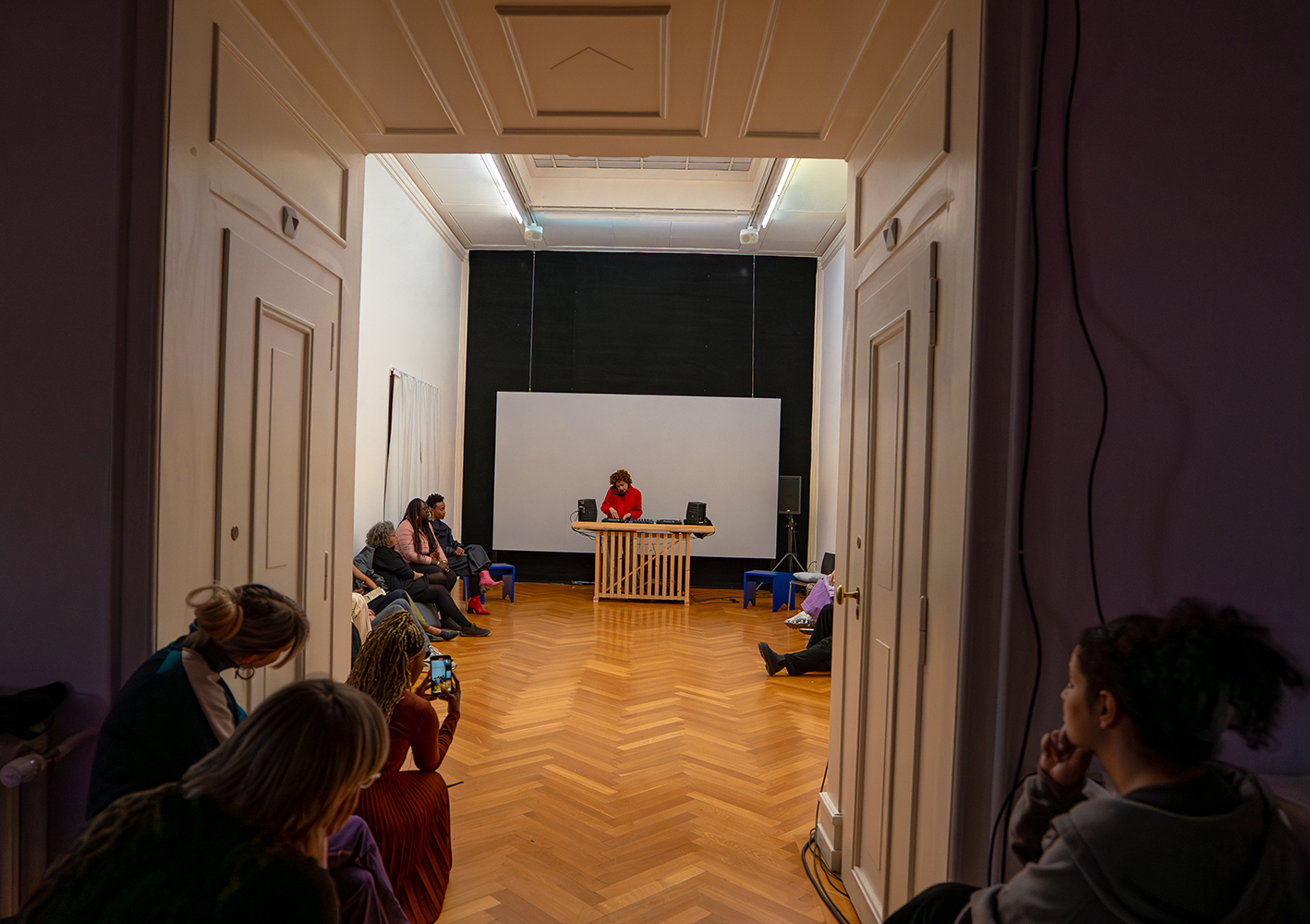

Ep0: introduction
Ep0: introduction
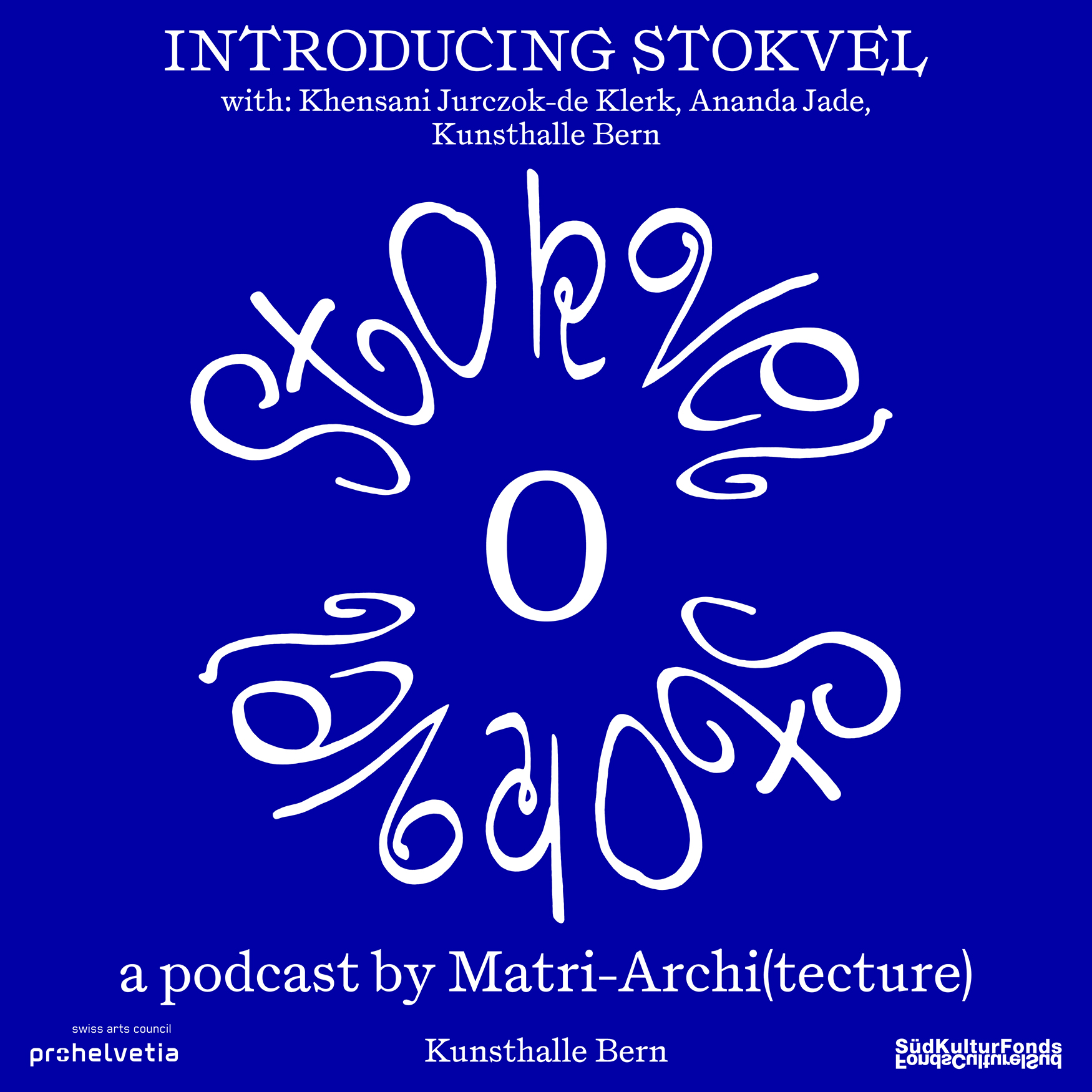
Host: Khensani Jurczok-de Klerk
Featuring: iLiana Fokianaki, director of Kunsthalle Bern
Sound insertion: Ananda Jade
To support Matri-Archi(tecture), click here
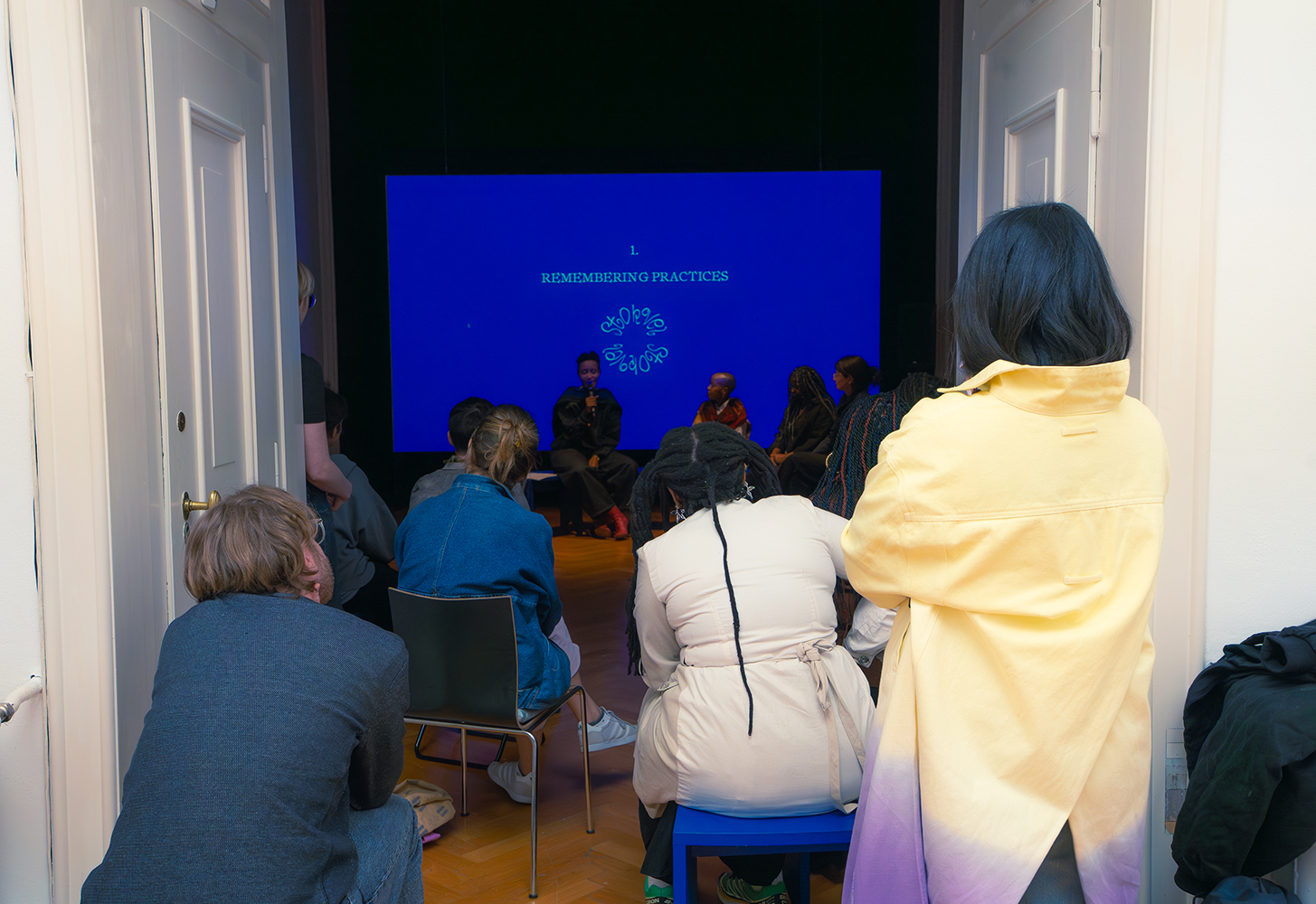
Ep1: remembering practices
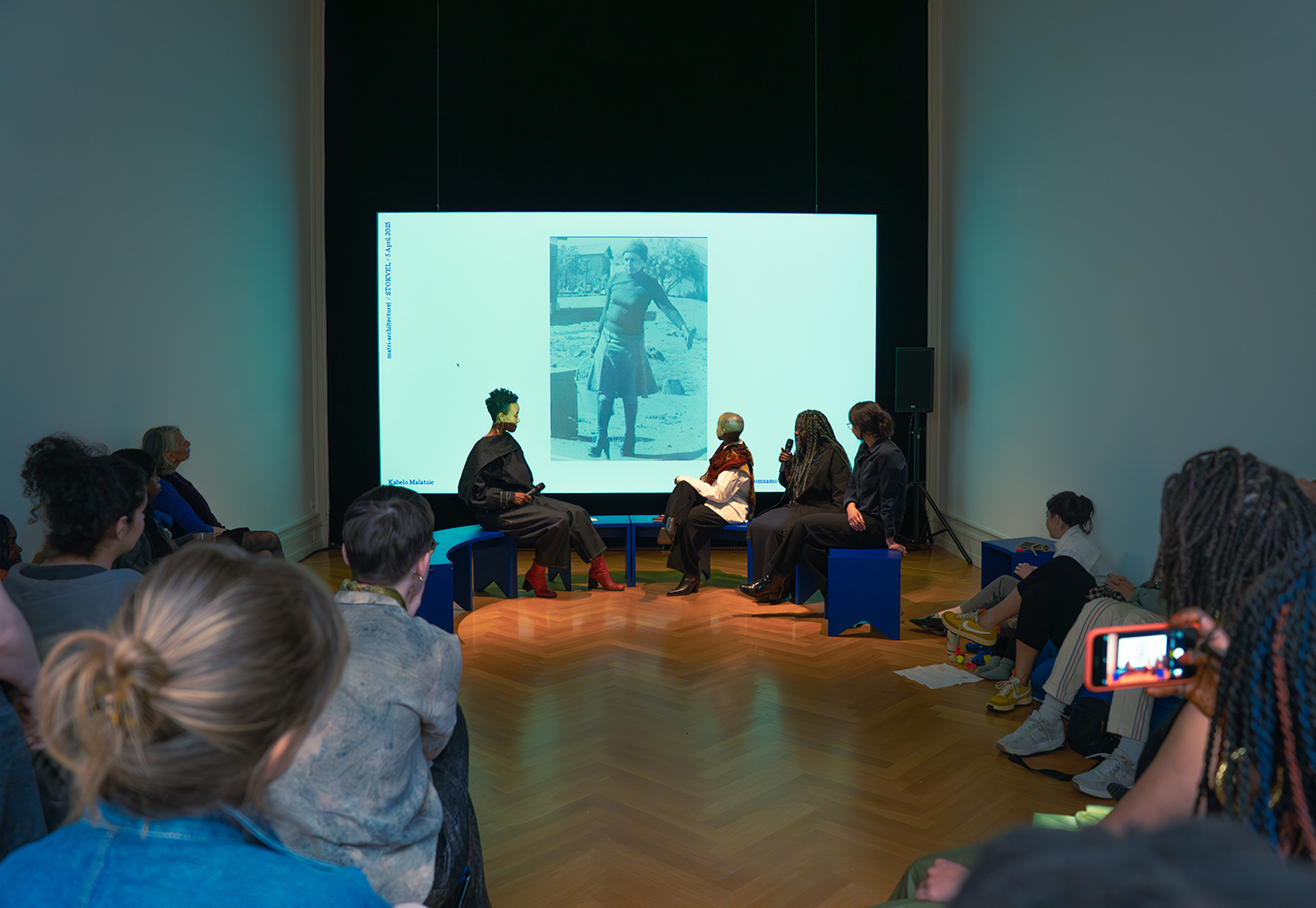
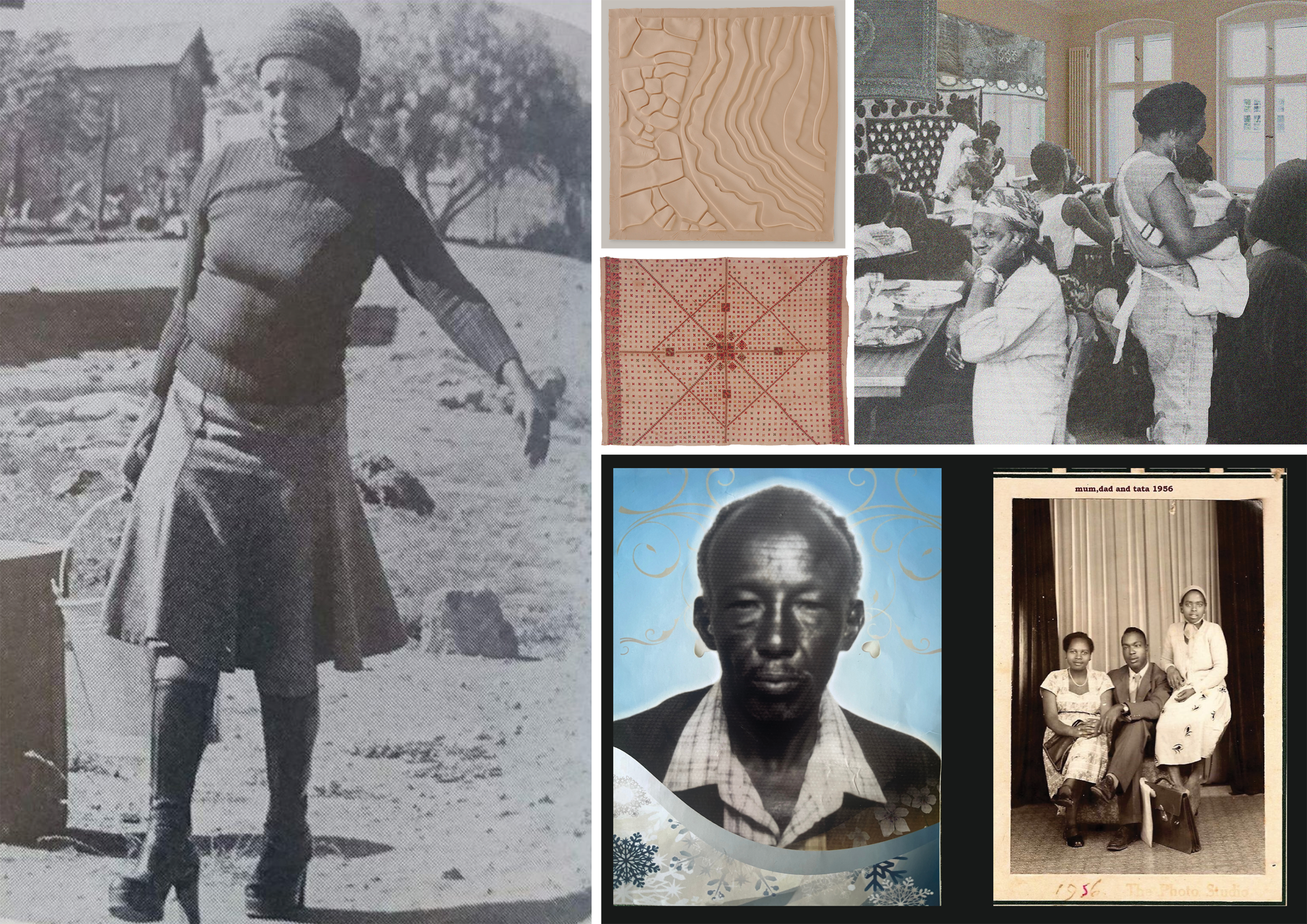
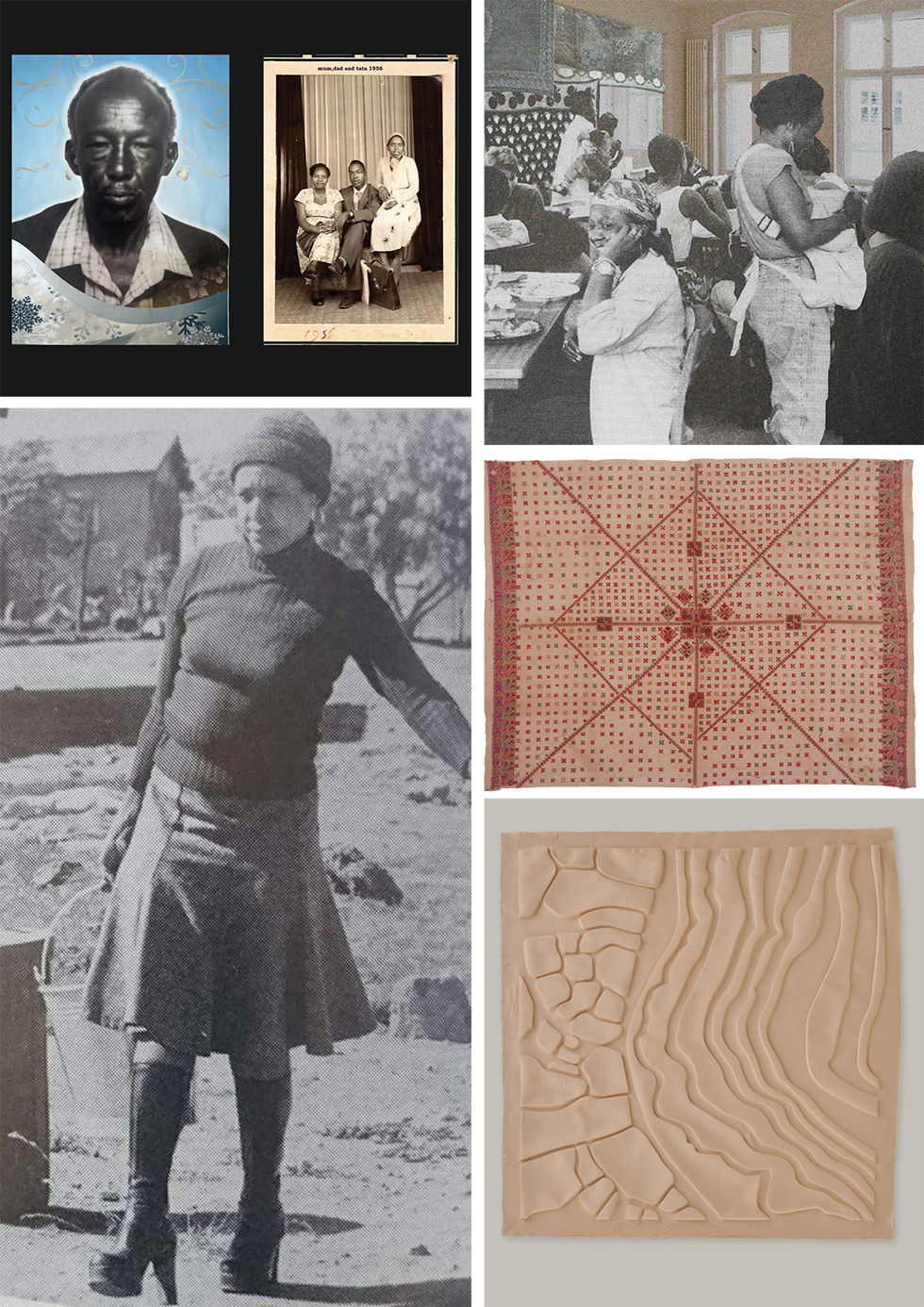
Remembering Practices call us to ask what we as have inherited, and further the role that inherited values, realities, hardships, assets, lessons and so on, have played in our creative practices. How have and do we cite this inheritance? How do we imagine to pass on what we have made and built on as provenance? We don’t choose what we inherit, but we do choose what we value as provenance: opening up possibilities for what we learn, build and create to be useful, valuable and impactful for others. These are all questions about time and history.
Ep1: remembering practices
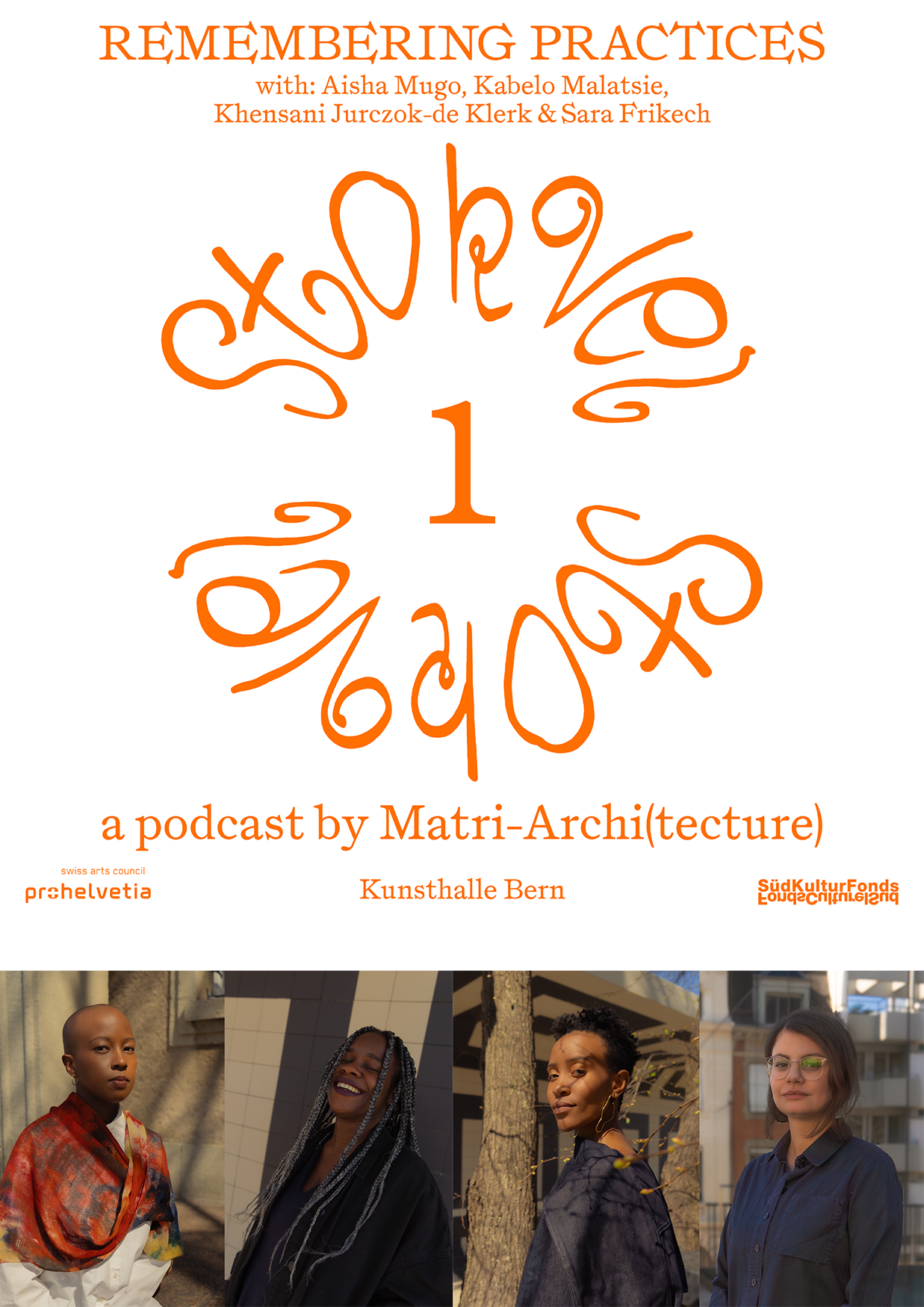
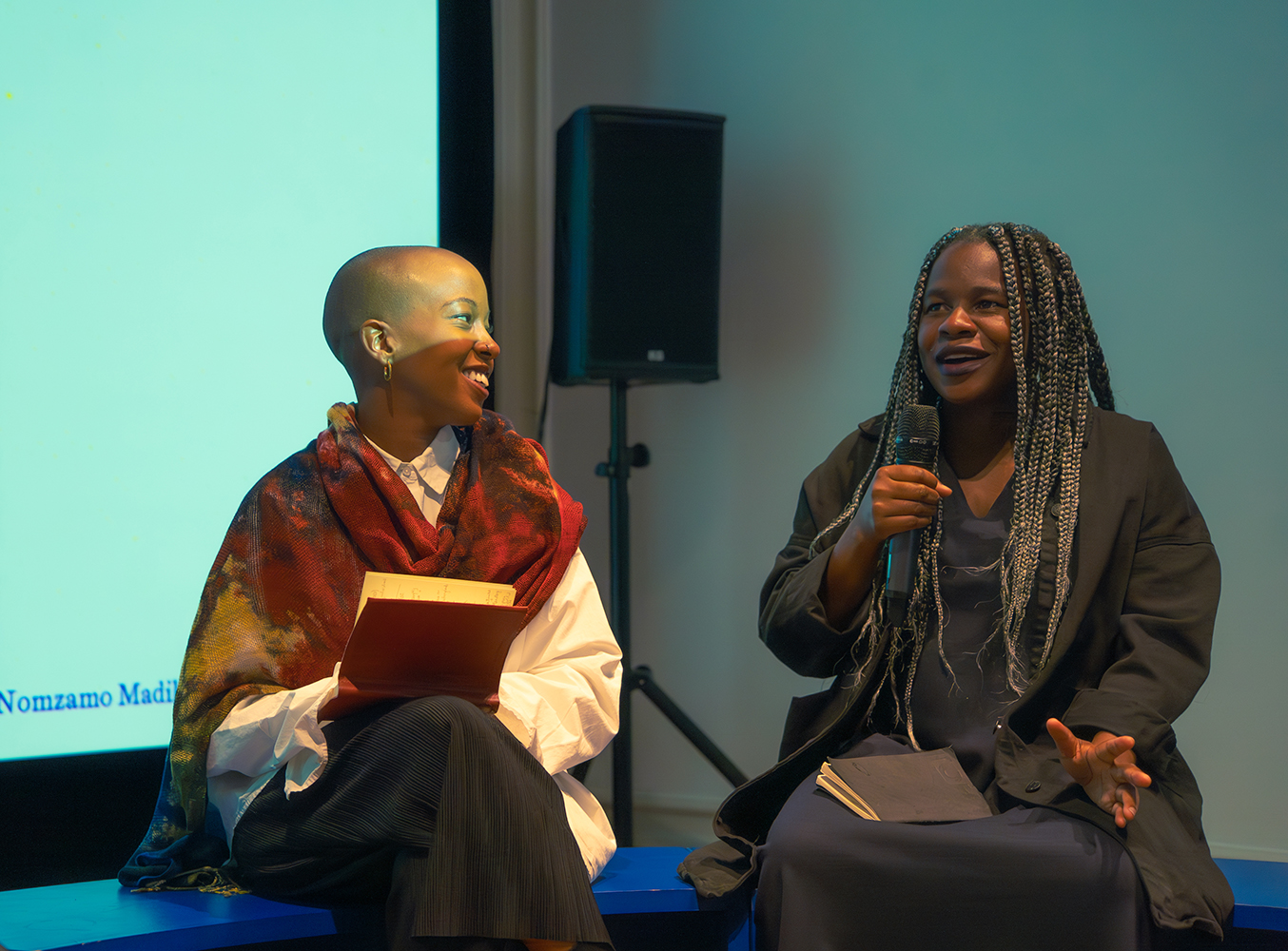
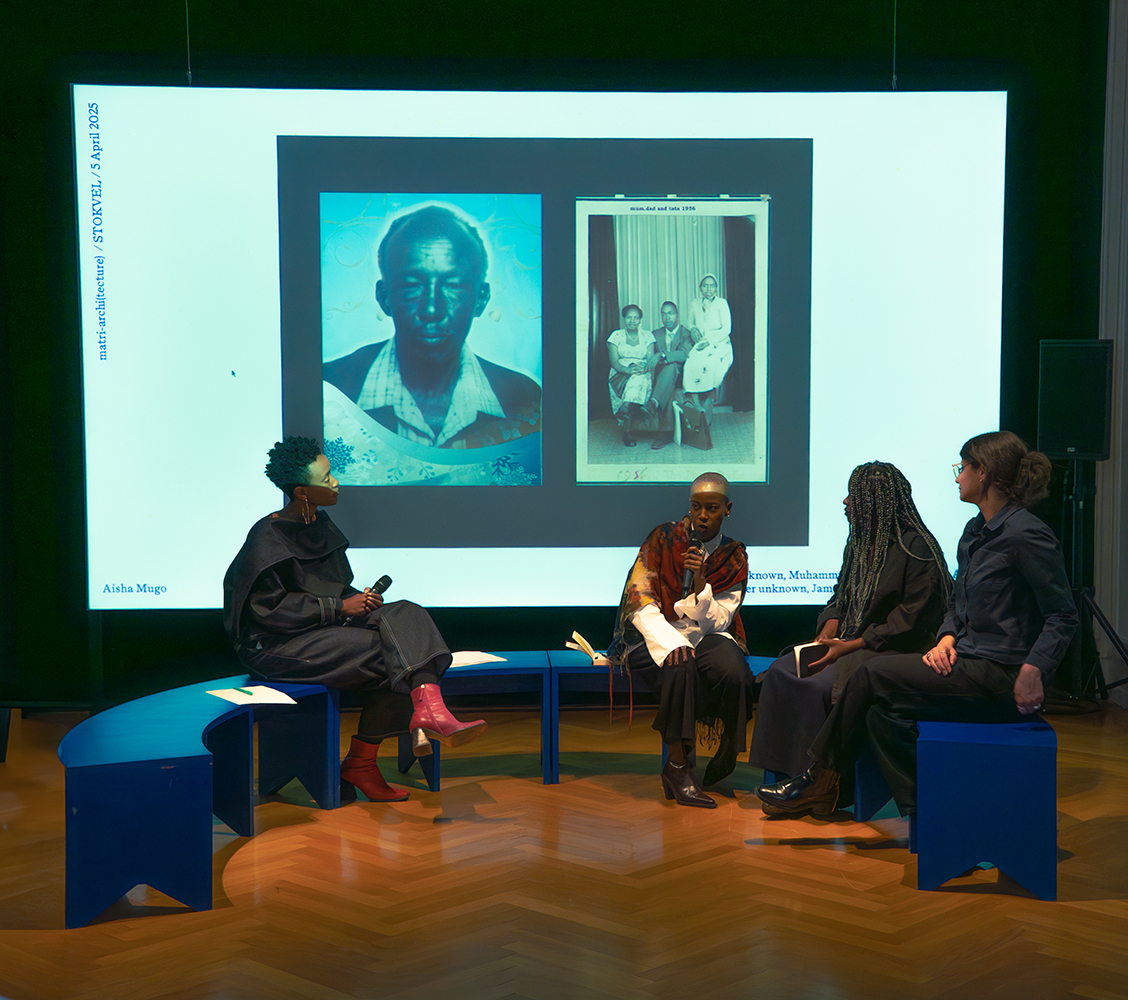
Aisha Mugo (KE) is researcher, cultural geography, urbanism and migration scholar and multidisciplinary artist. She bridges academic rigor and artistic practice to explore identity, memory, and urbanity.
Kabelo Malatsie (SA) is an organizer and curator currently fascinated by deep time, as seen through ferns that cooled the earth millions of years ago or through dust storms. She is sad that after lots of practice, she still can't dance Bacardi.
Khensani Jurczok-de Klerk (CH/SA) is an architectural researcher and designer. She is the founder and creative director of Matri-Archi(tecture) and a doctoral fellow at the gta, ETH Zürich.
Sara Frikech is an architect and a recently defended doctoral fellow in landscape and urban studies. Her work - including models, objects and installations - stems from a deep interest to understand the many layers of our hybrid realities.
Ep2: convivial practices
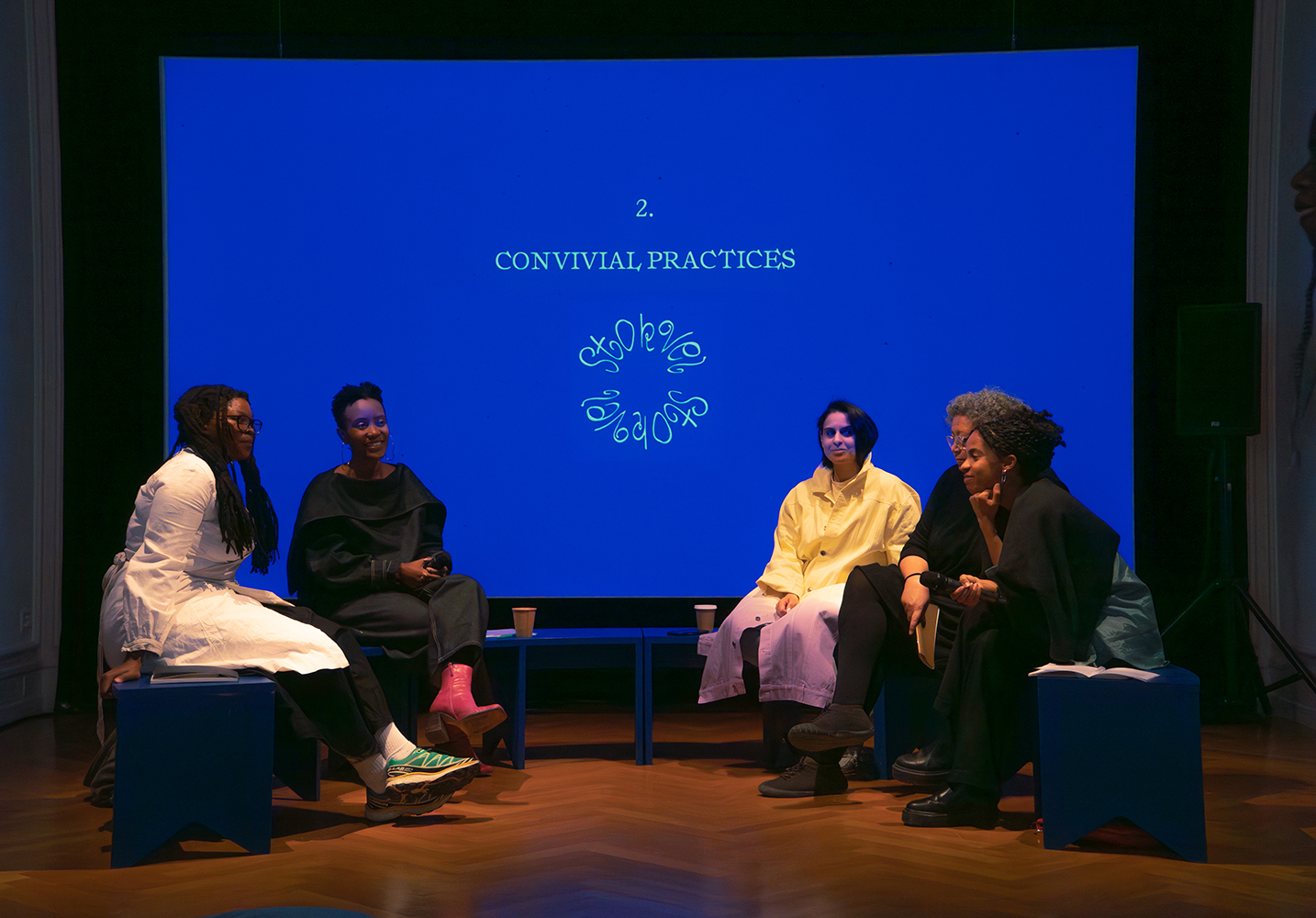
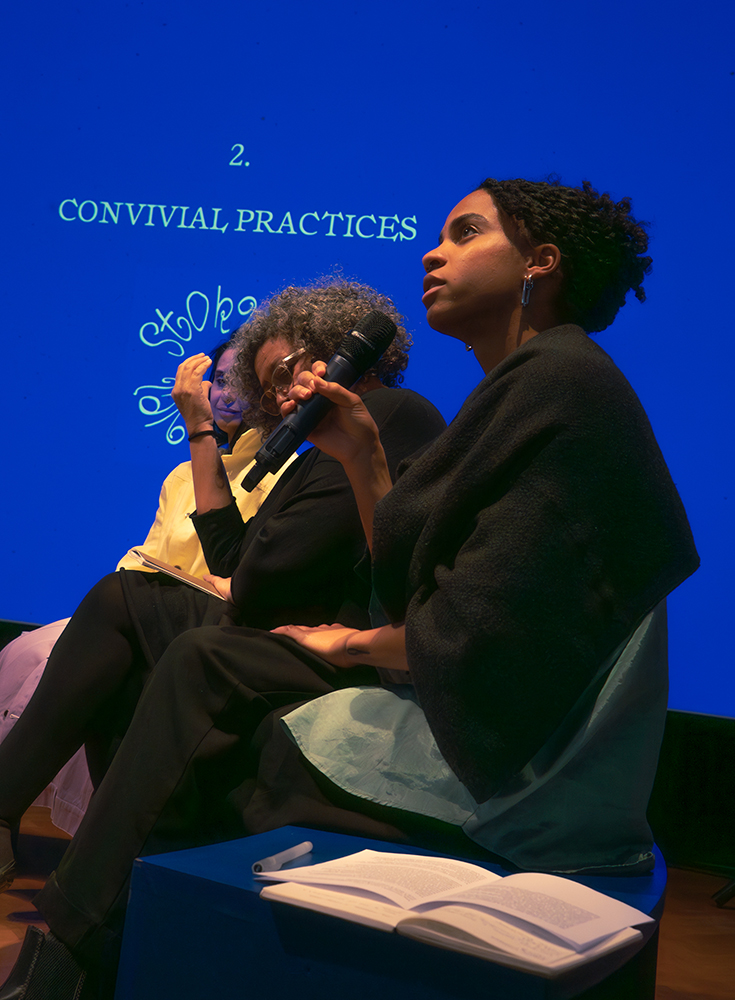
Convivial Practices call us to reflect on the methodologies that we use to pay tribute to, remunerate and recognise our collaborators. We ask what rituals of celebration, attribution, recommendation, and connection we insist upon when working in collaboration. We consider the necessity to convert non-monetary currencies, to remain cognisant of the various ways in which individuals, groups and communities assign value to creative processes. We spend time reflecting on the importance of conviviality in our work — that is to operate in, create and contribute to friendly, lively and enjoyable atmospheres.
Ep2: convivial practices
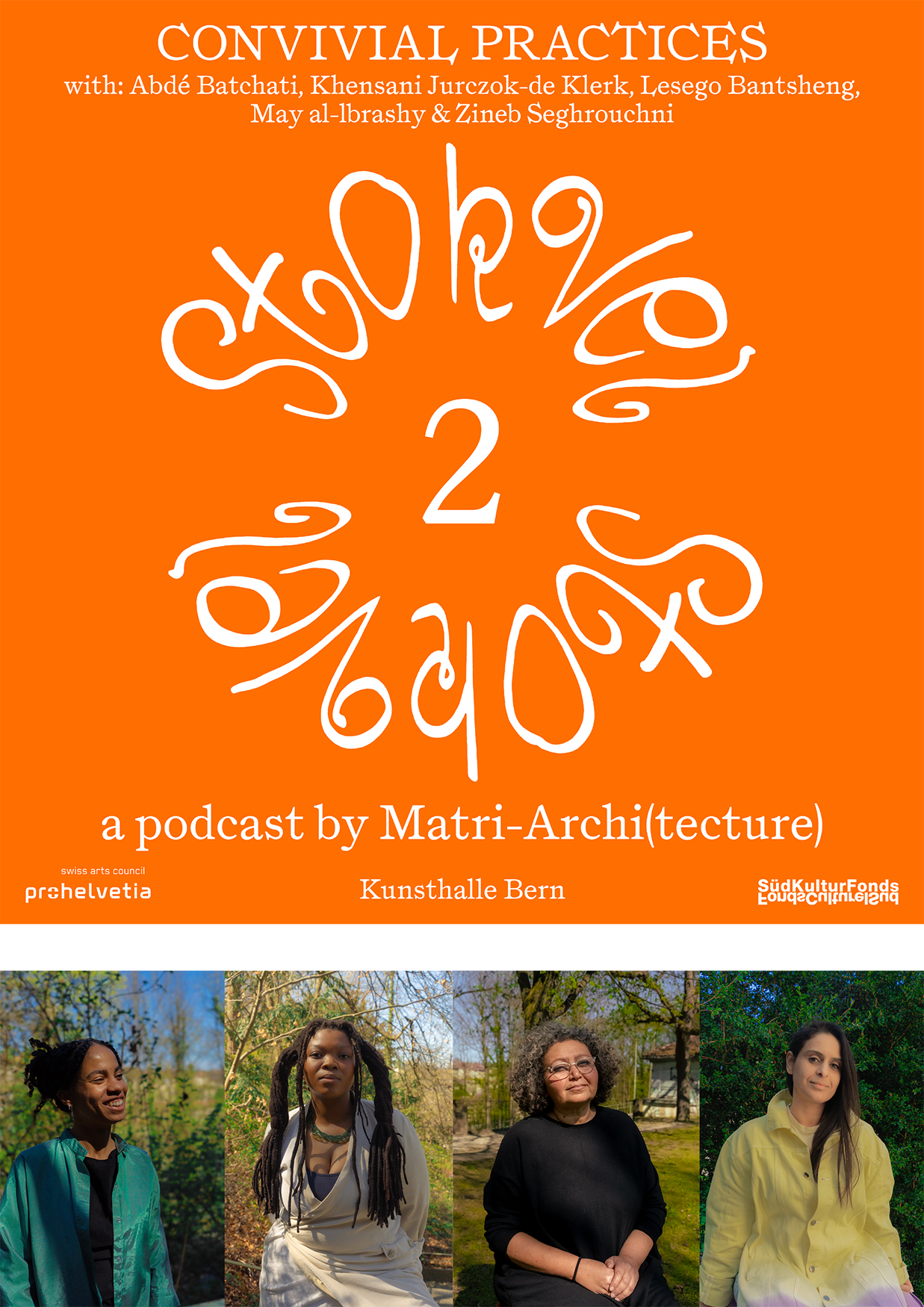
Abdé Batchati (DE) is a spatial practitioner and master’s student of architecture. She focuses on emancipatory and intersectional feminist approaches in design, architecture, and space-making.
Lesego Bantsheng (SA/NL) is a researcher, urban designer, and landscape architect interested in rural-urban material and spatial dichotomies across southern Africa. She is the founder of Rural Futurisms NPC.
May al-Ibrashy (EG) is founder and chair of Megawra-Built Environment Collective and coordinator of Athar Lina Initiative. She is also co-founder of BIAS-AME and a Prince Claus Fund Impact Award awardee for 2022.
Zineb Seghrouchni (NL/MA) founded and leads DAR cultural agency, a Rotterdam-based Cultural Agency aiming at creating space for artists who question the status quo through multiple perspectives.
Ep3: restorative practices
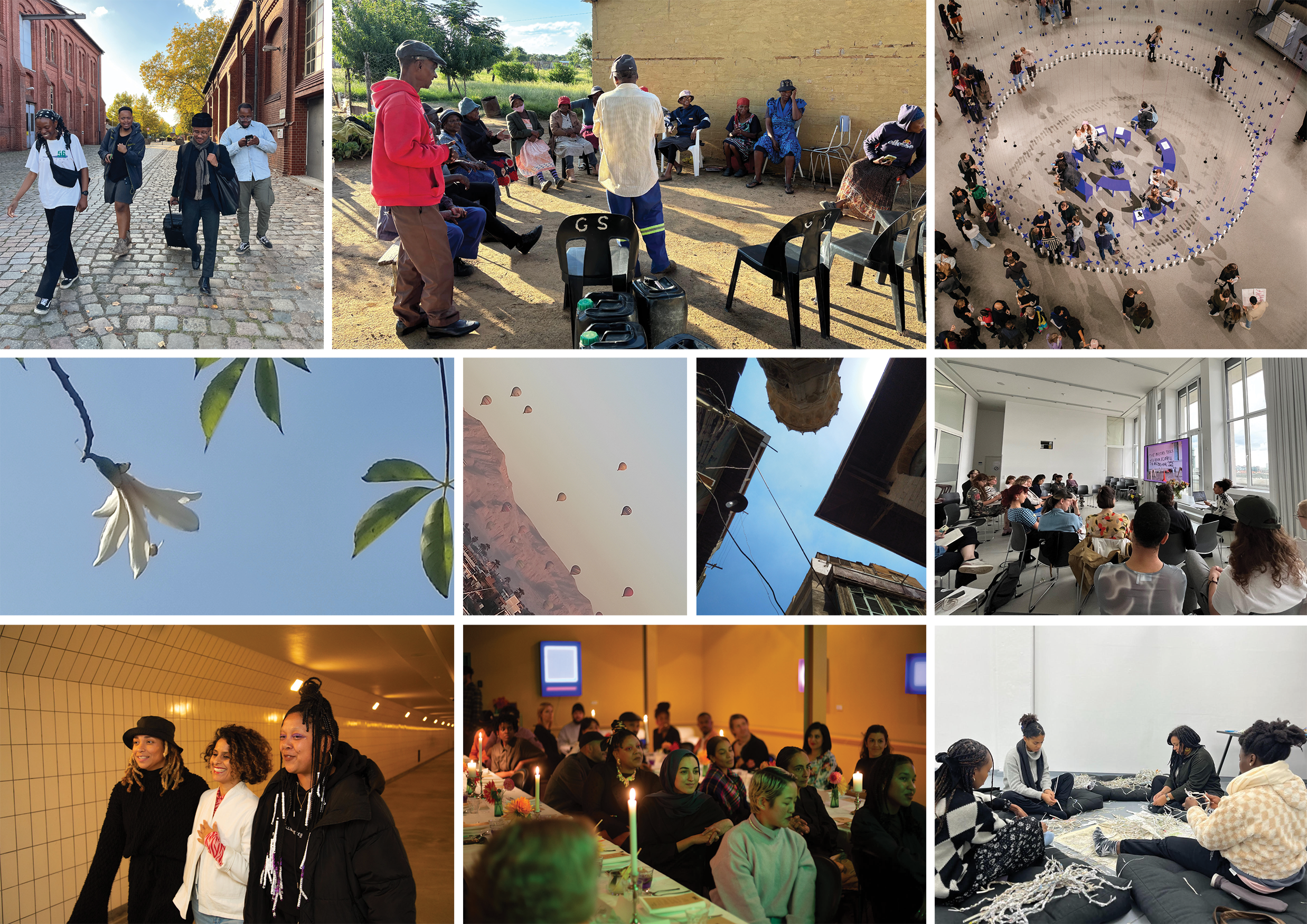
Restorative Practices call us to reflect on and situate ourselves within the the constellations we creatively exist in. We ask ourselves to share the geography — be it cultural, imaginary or physical — we belong and return to in order to to recover, restore and rejuvenate? Further, how do we water and feed those geographies? We insist to privilidge the ways of being we’ve seen, experienced and created that go beyond transaction. These are all questions orbiting reciprocity.
Ep3: restorative practices
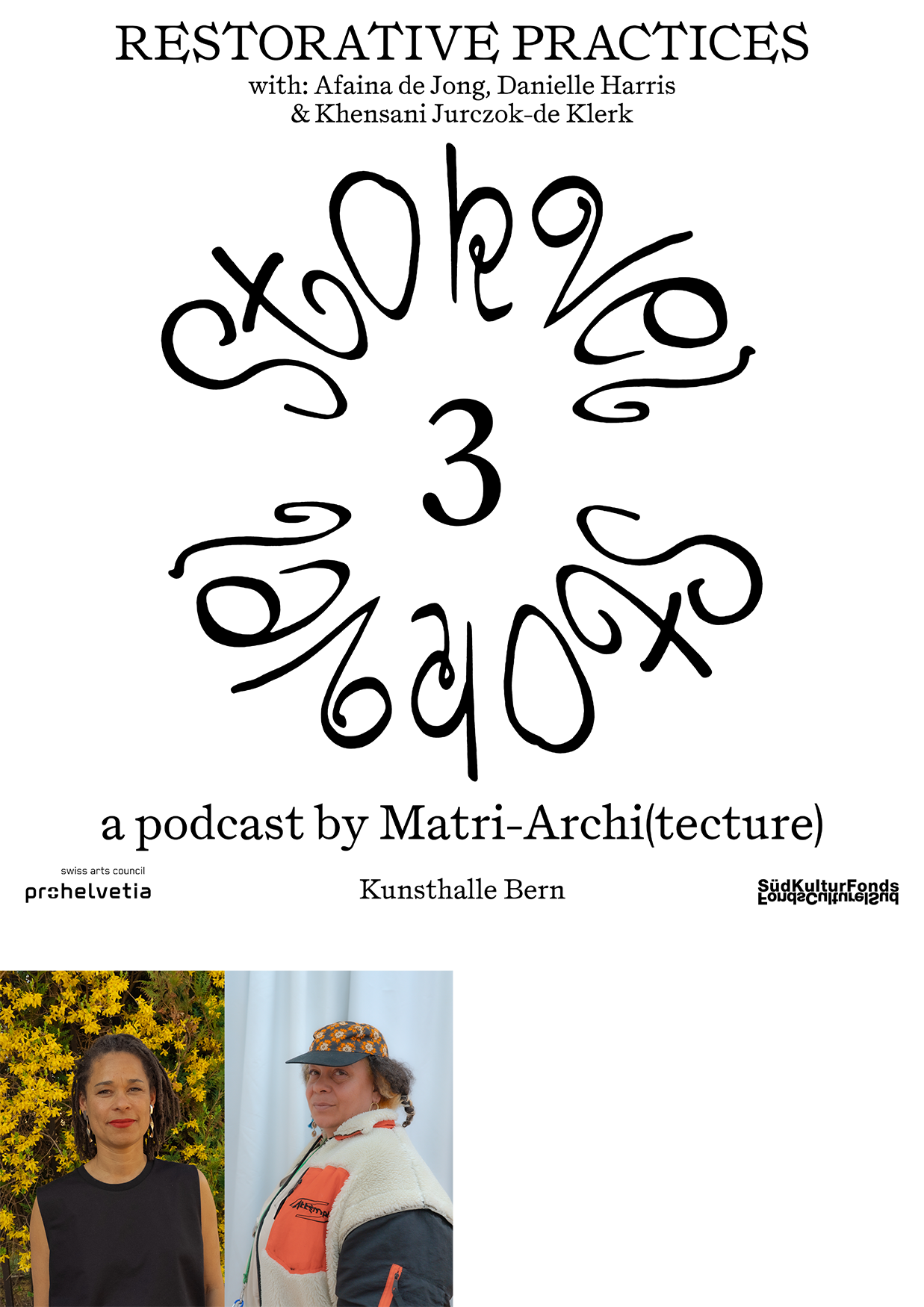
Afaina de Jong (NL/SR) is an architect working at the boundary of architecture and art. Her studio AFARAI has worked for renowned international institutions. She is the head of the Contextual Design MA department at Design Academy Eindhoven.
Danielle Harris (CH/US) is a networking design facilitator and educator. She is the founder of Taktil, a platform dedicated to curate cross-professional craft dialogues that captivate, teach and inspire. She is also co-founder of the network KO. — CO.
Ep4: autonomous practices
Autonomous Practices call us to deeply consider what values we anchor our practices in that set up the terms for engaging with others. We reflect on the ways in which we check in with ourselves and others. We discuss how to negotiate with dominance from institutions, commissioners, collaborators even ourselves. Fugitivity, opacity and language point us to the ongoing forms of autnomous practice we encounter. These are all questions about negotiation, consideration and position.
Ep4: autonomous practices
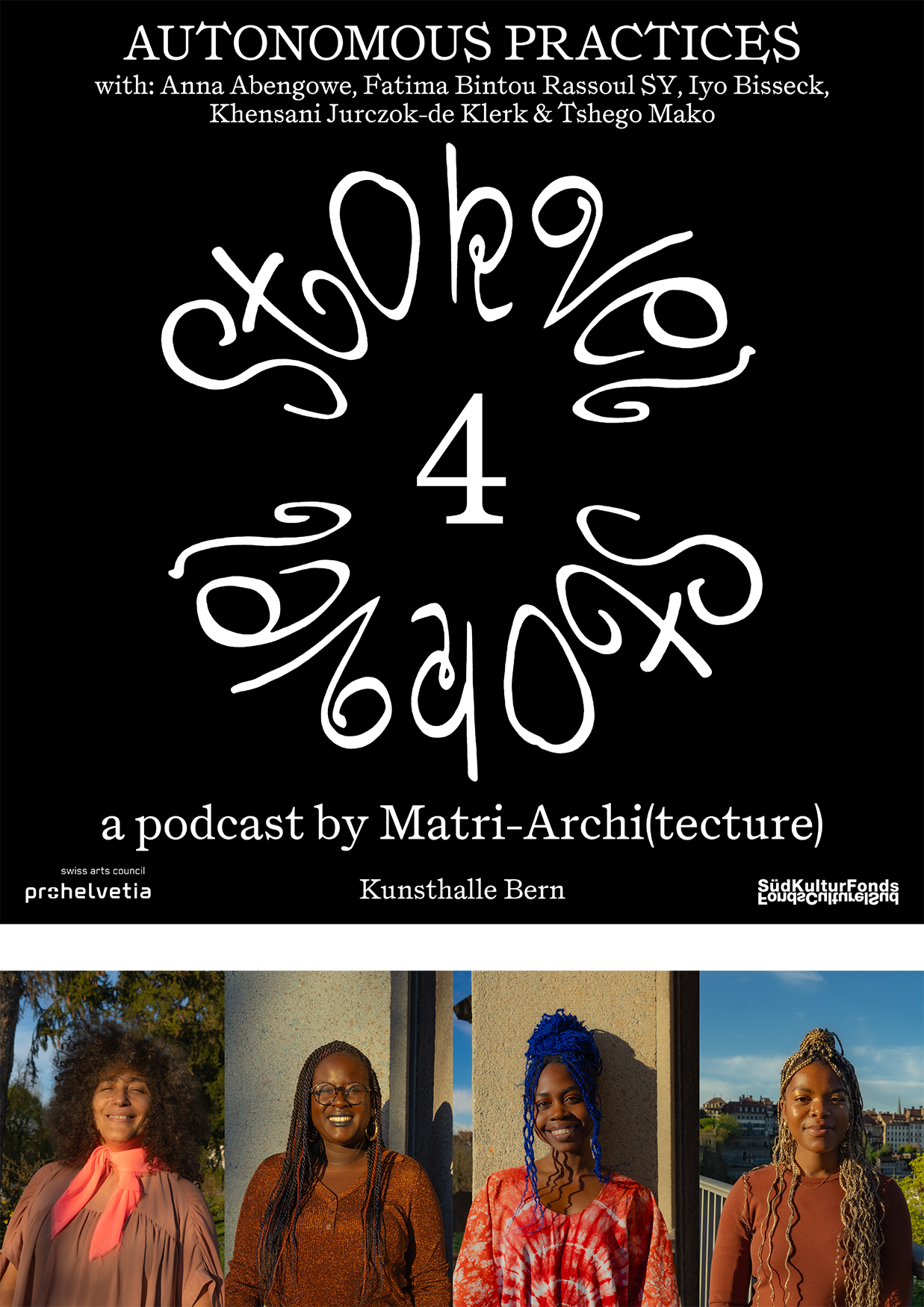
Anna Nnenna Abengowe (UK/NG) is an architect, educator, and spatial practitioner. She is a Senior Lecturer at Birmingham City University, an academic advisor at African Futures Institute (AFI) and the founder and principal of The Agency: [spatial agency africa].
Fatima Bintou Rassoul SY (SN) is a curator and cultural practitioner. As the Director of Programs at RAW Material Company, she designs transdisciplinary projects that foster intellectual and artistic creativity in Africa.
Iyo Bisseck (FR/CM) is a multidisciplinary artist, interaction designer, and programmer. Active in collectives such as Dreaming Beyond AI, Iyo creates online platforms supporting cultural and activist initiatives.
Tshego Mako (NL/SA) is an architectural designer and creative strategist. After receiving a Master of Science degree in Architecture and Interiors at Politecnico di Milano, she has continued to pursue her individual practice, Makography.